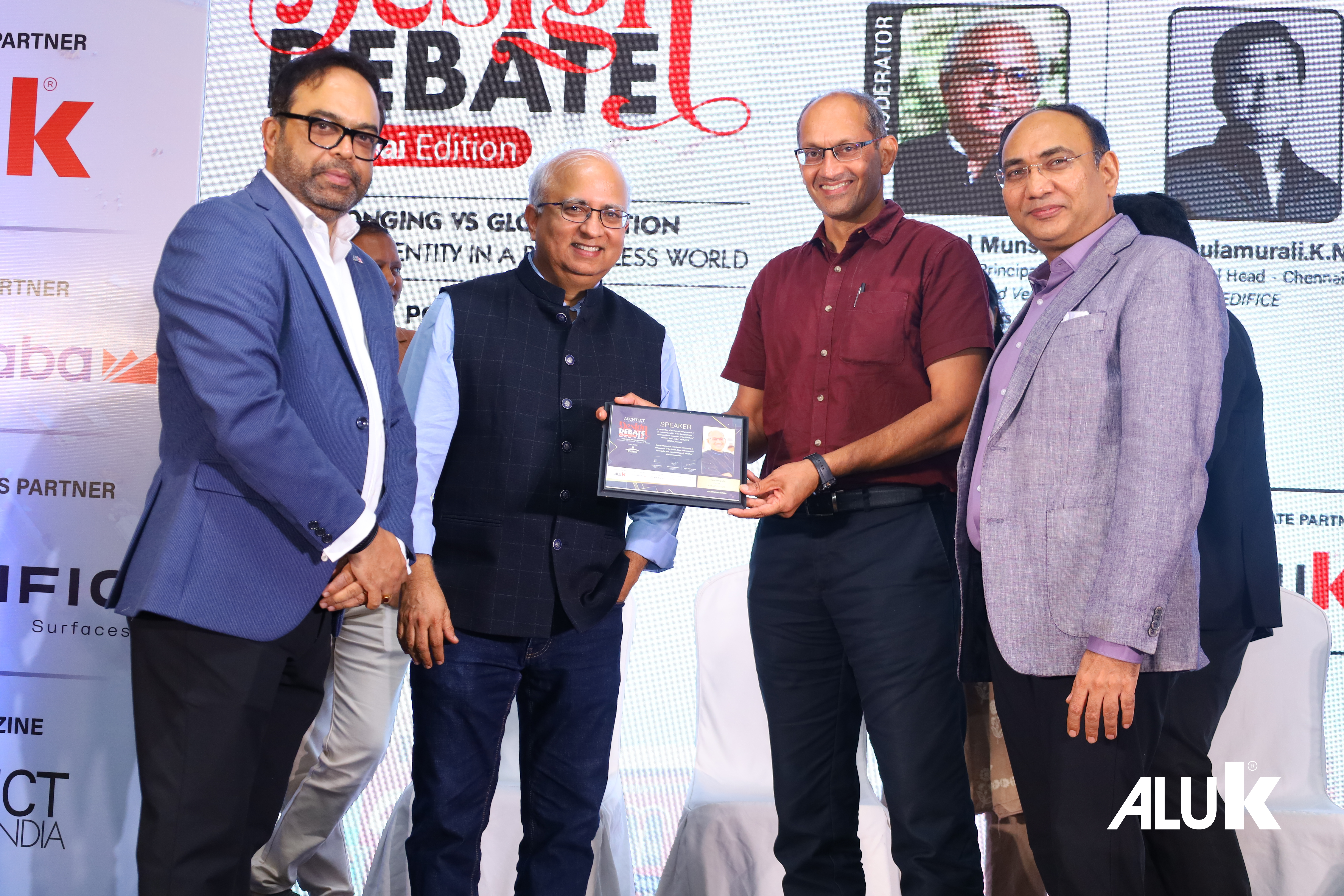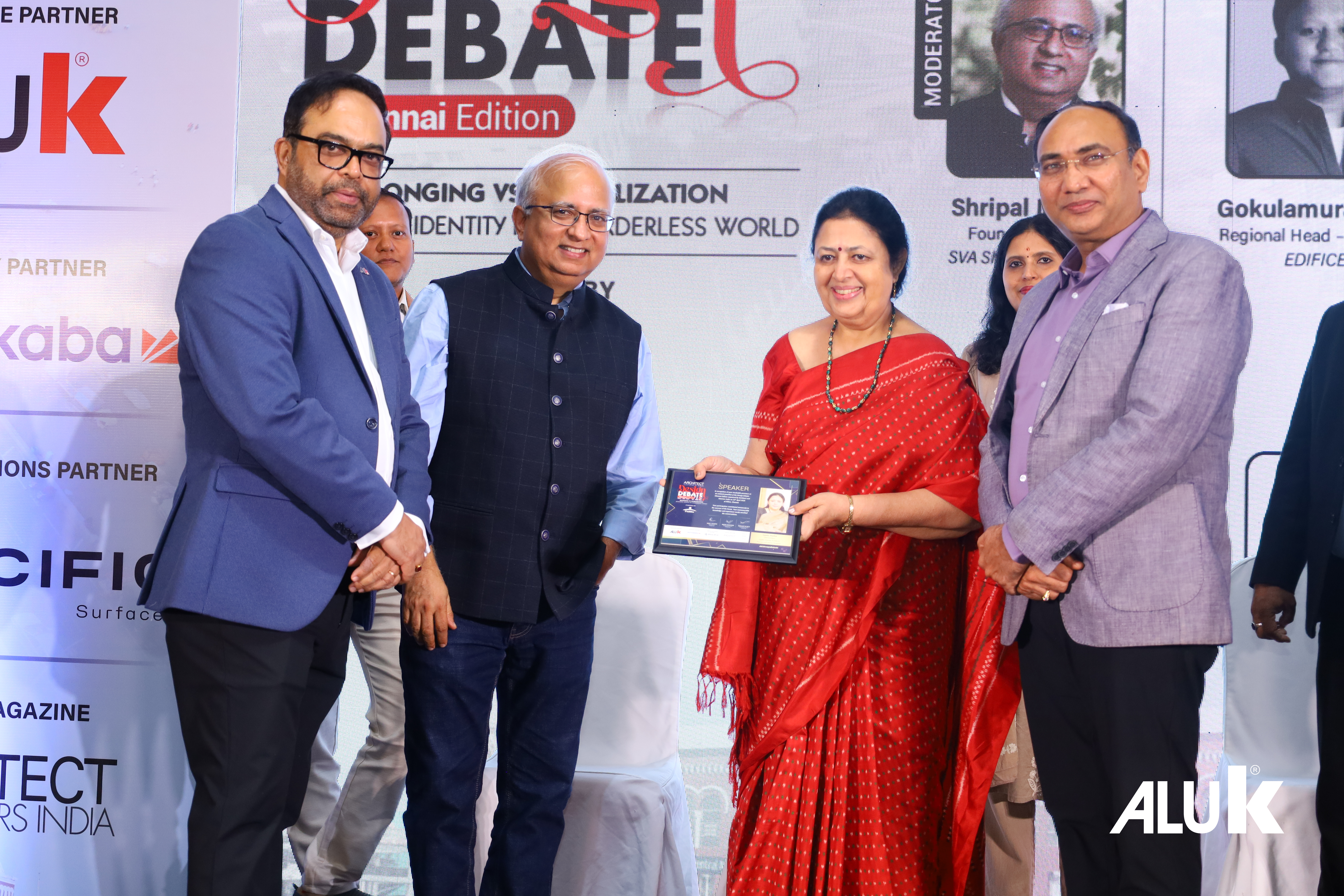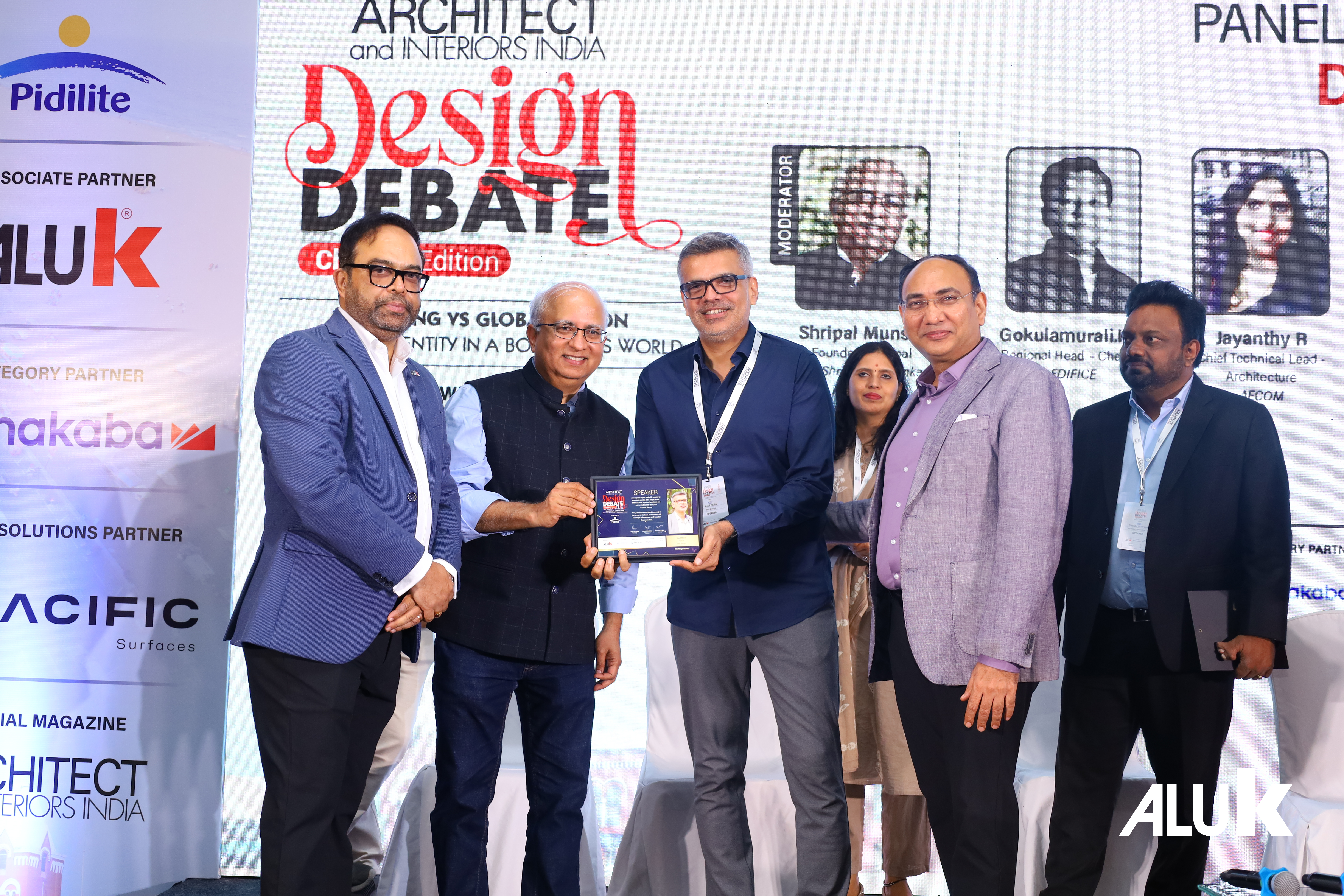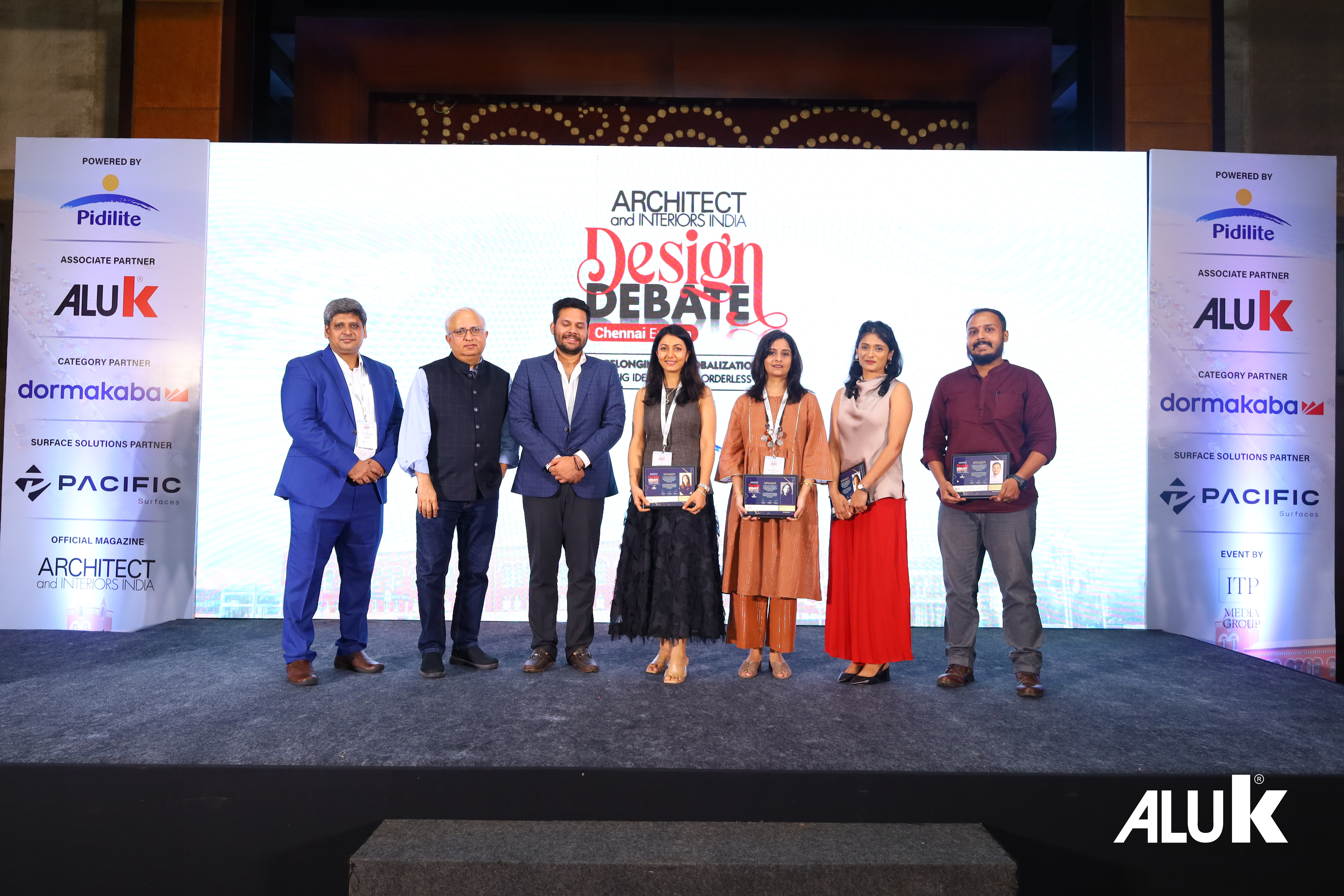
In a time when skylines across continents increasingly mirror one another, the burning question within the profession is: how can architecture remain unmistakably local in a borderless world? That question took centre stage in Chennai on 24 April 2026, as AluK, Associate Partner of the Architects & Interiors Design Debate – Chennai Edition, convened one of the city’s most compelling design conversations at Hilton Chennai under the theme “Belonging vs Globalization: Designing Identity in a Borderless World.”
Bringing together senior industry leaders, next-generation practitioners, consultants and design thinkers, the evening moved beyond aesthetics to confront a deeper challenge facing contemporary architecture, whether rapid globalization is enriching regional identity or gradually erasing it.
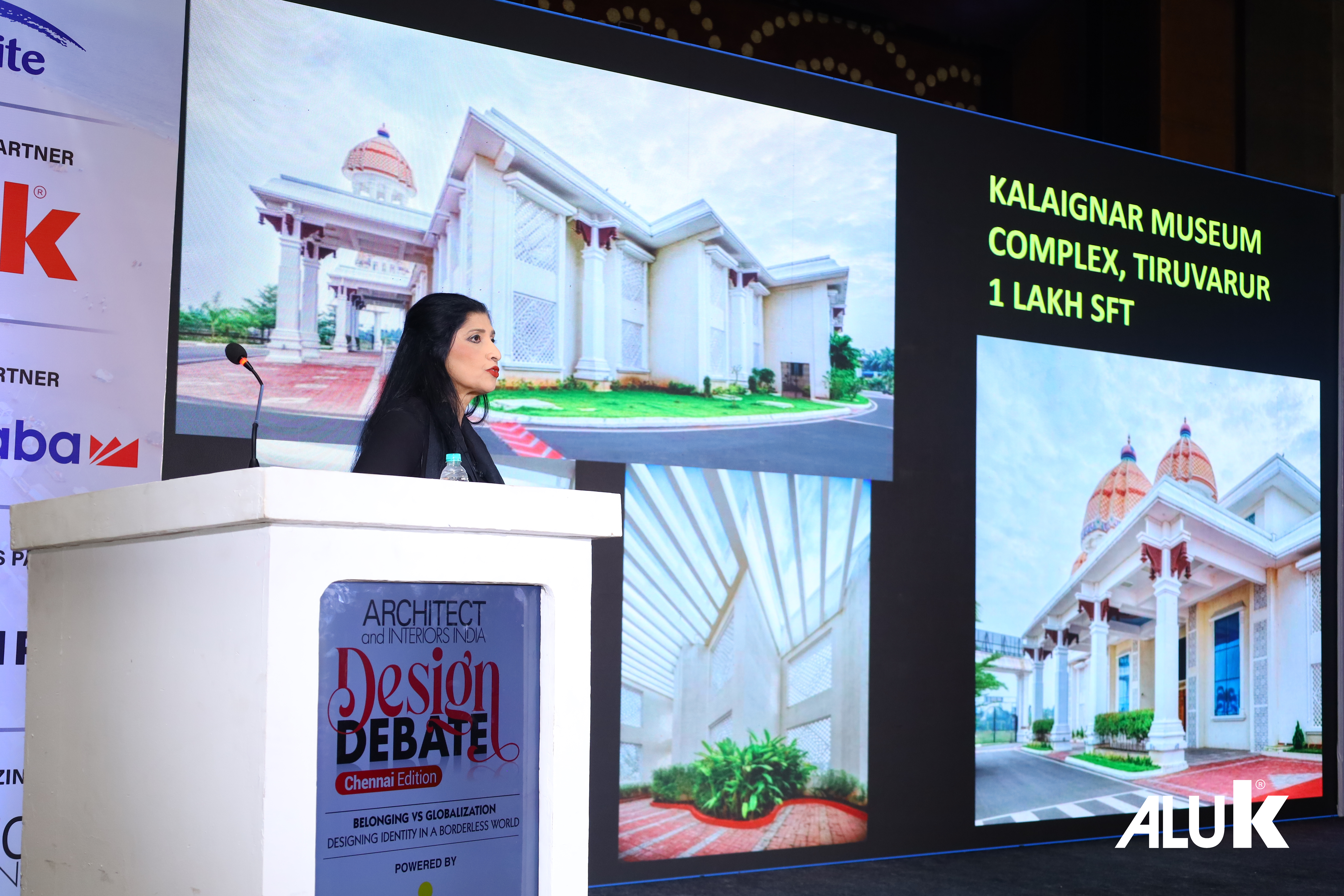
Setting the tone for the evening was keynote speaker Dr. Ponni Concessao, of Ponni & Oscar + Rahul Architects, whose address examined the responsibility of architects to create buildings that are future-facing without severing ties to memory, climate and community. Her perspective underscored that identity in architecture is not nostalgia, but relevance rooted in place.
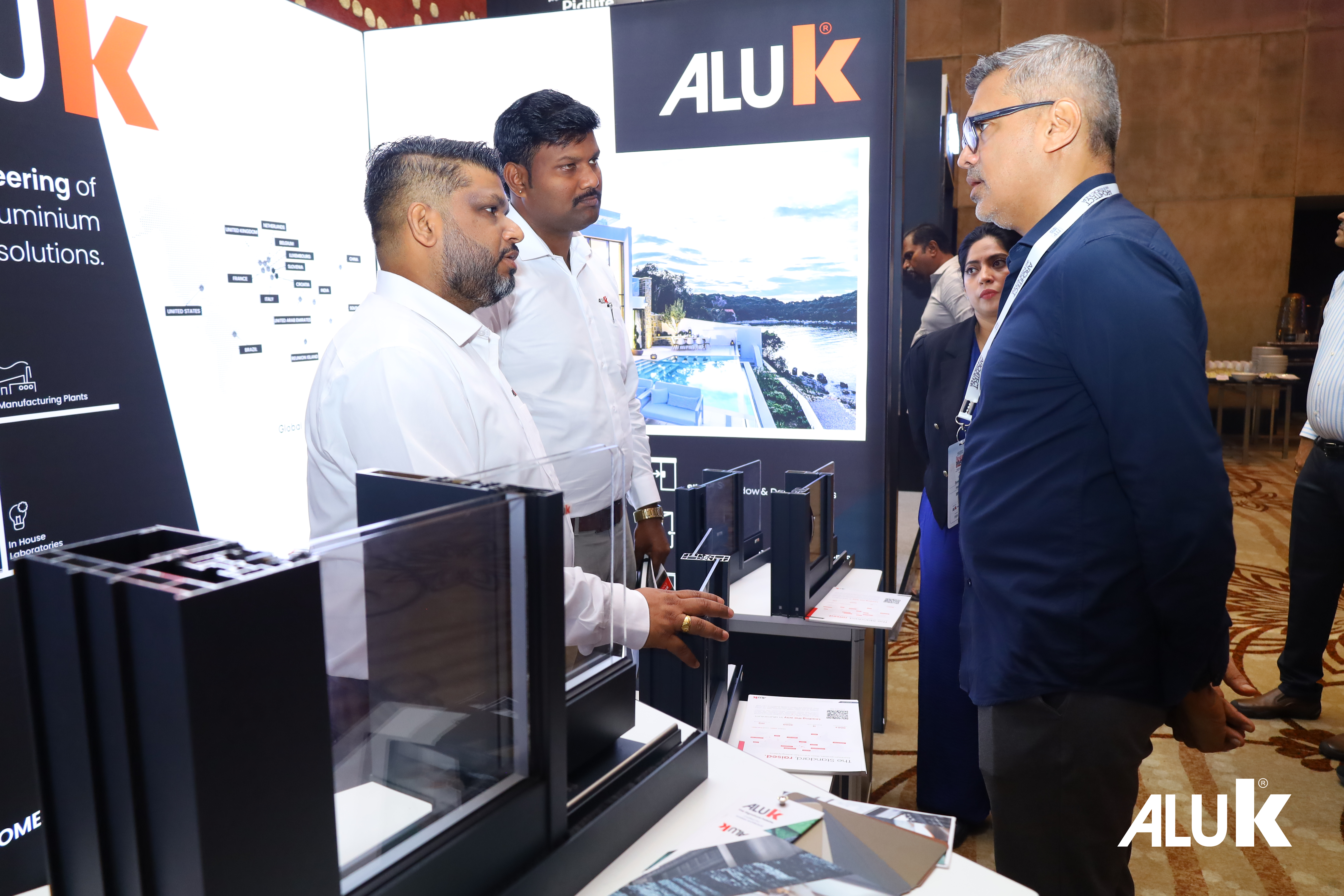
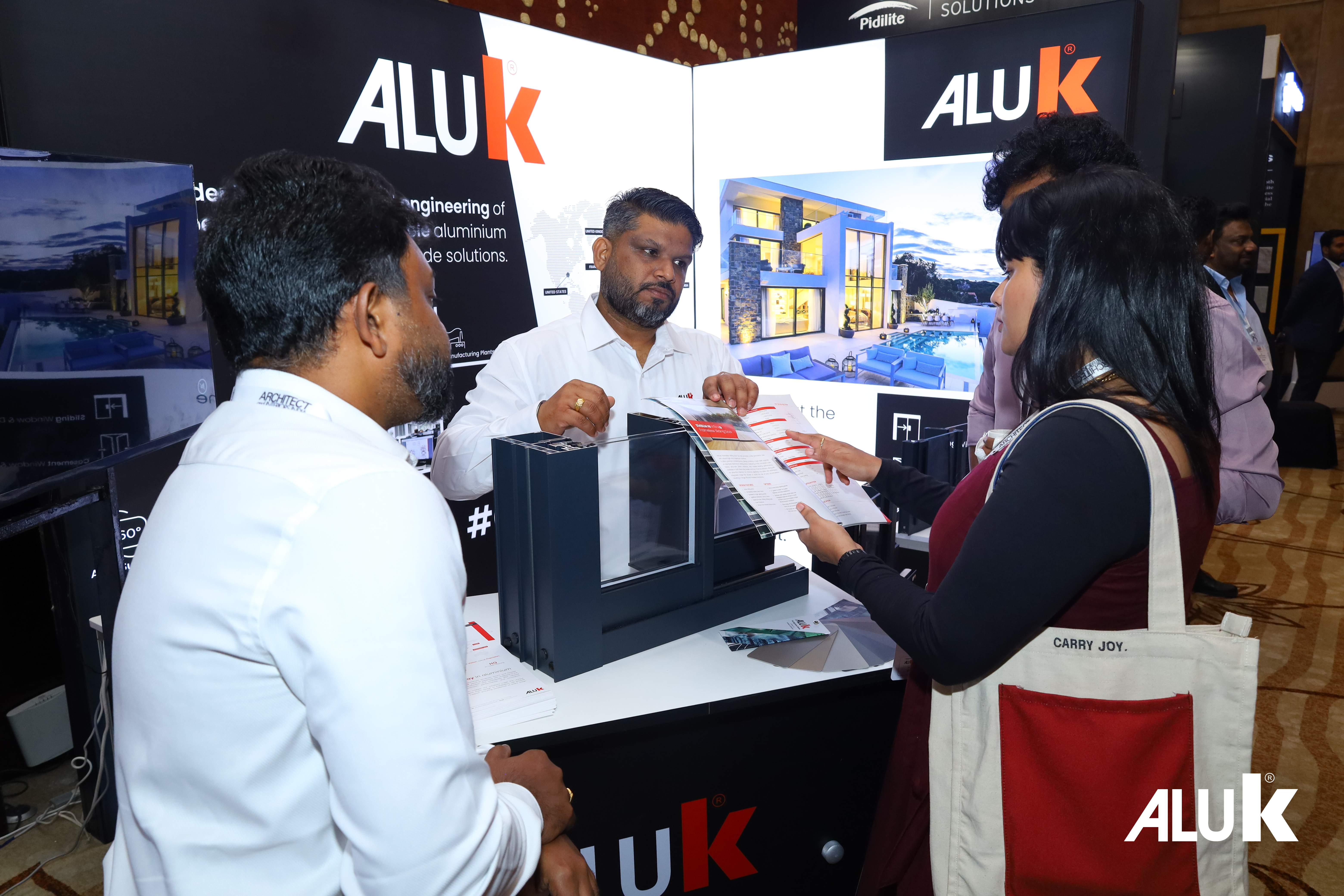
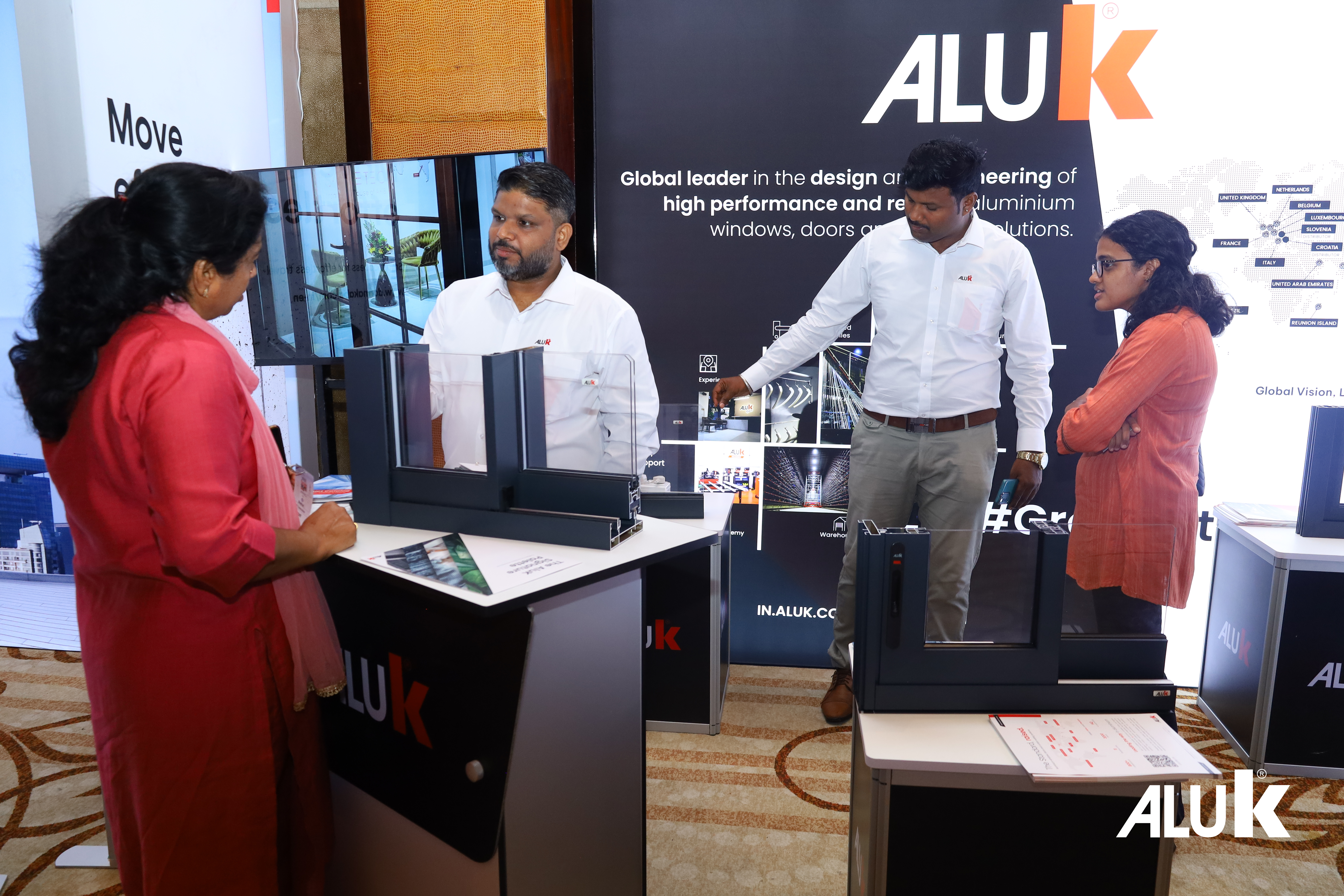
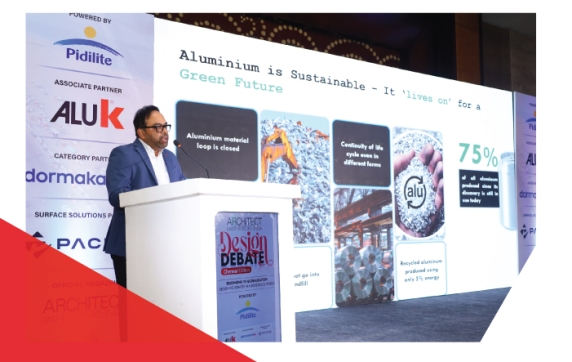
Representing AluK, Mr. Subhendu Ganguly, Managing Director of AluK India, shared the brand’s perspective on how advanced aluminium systems are enabling a new generation of buildings that demand openness, performance and precision, while still allowing architects to respond meaningfully to regional climate, context and design language. He highlighted how larger apertures, slimmer sightlines and increasingly responsible façades are becoming standard expectations, placing aluminium systems at the centre of modern architectural identity.
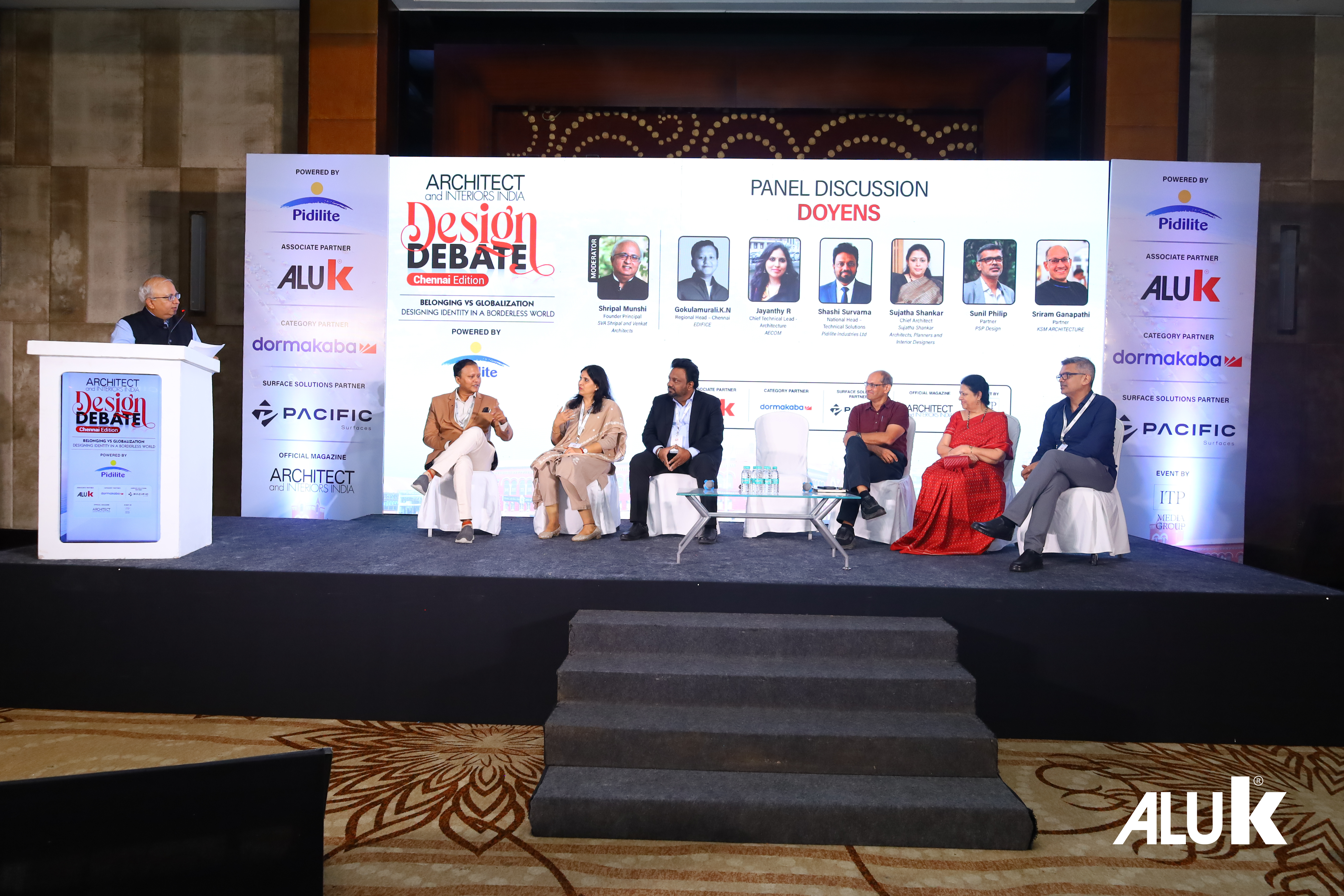
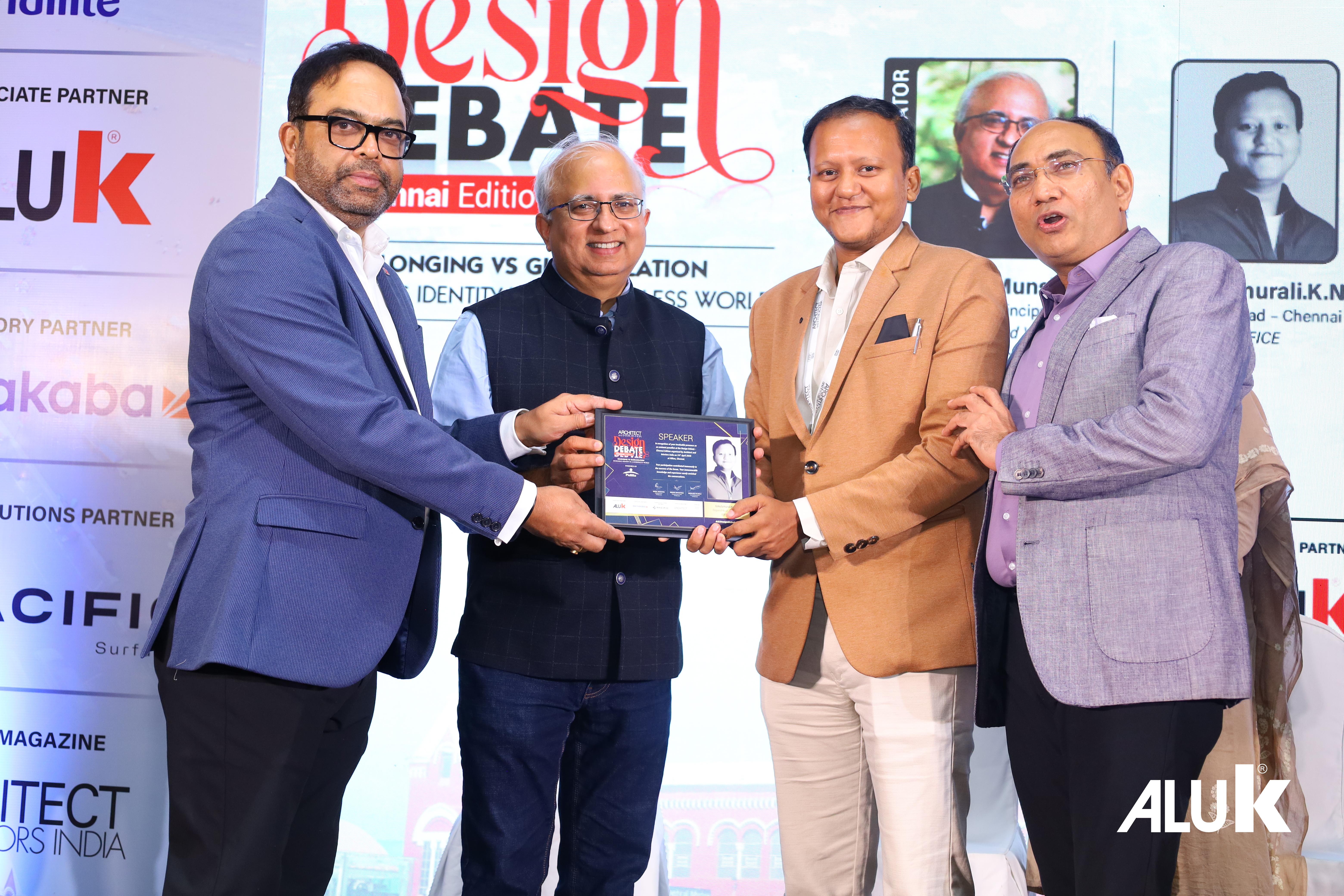
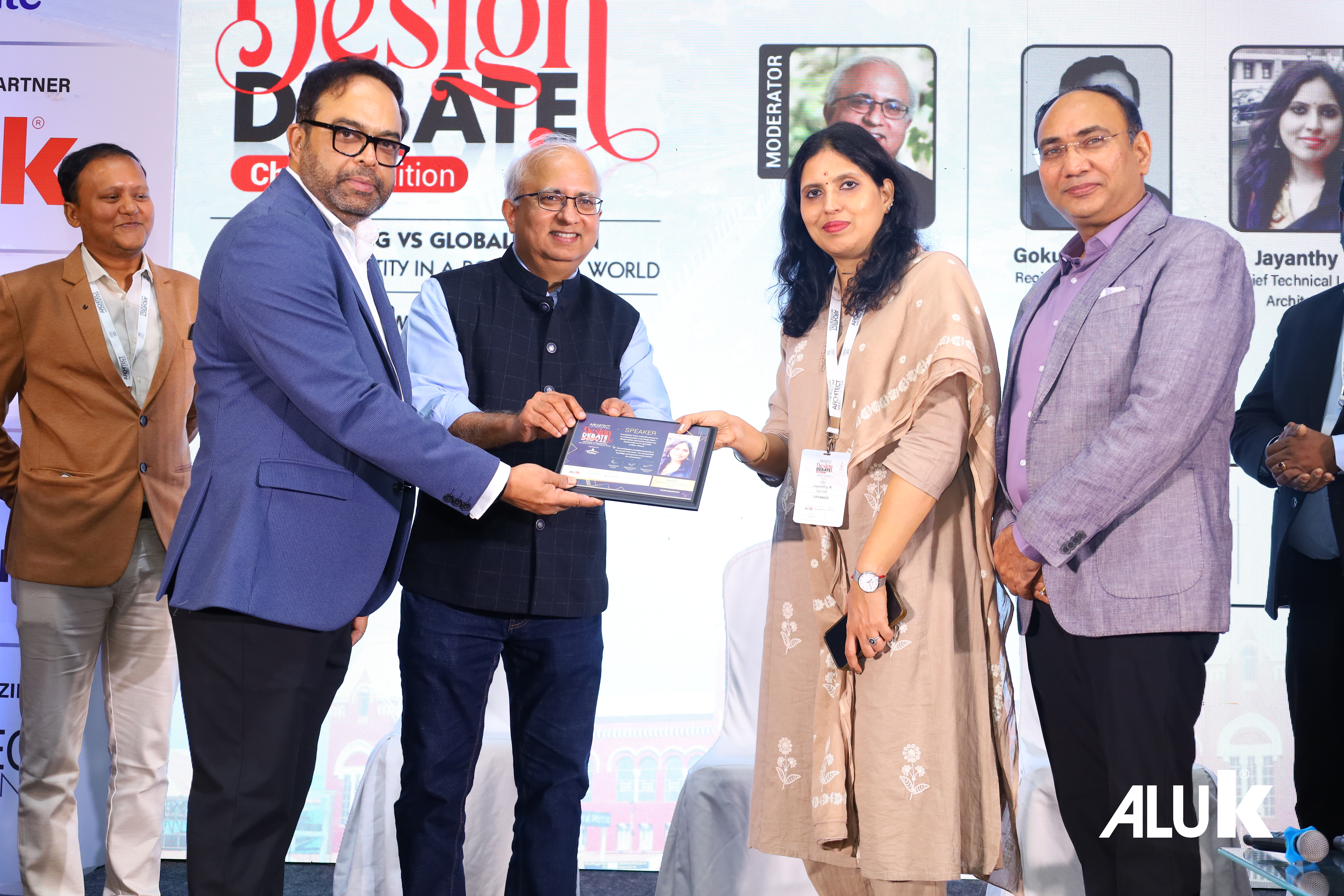
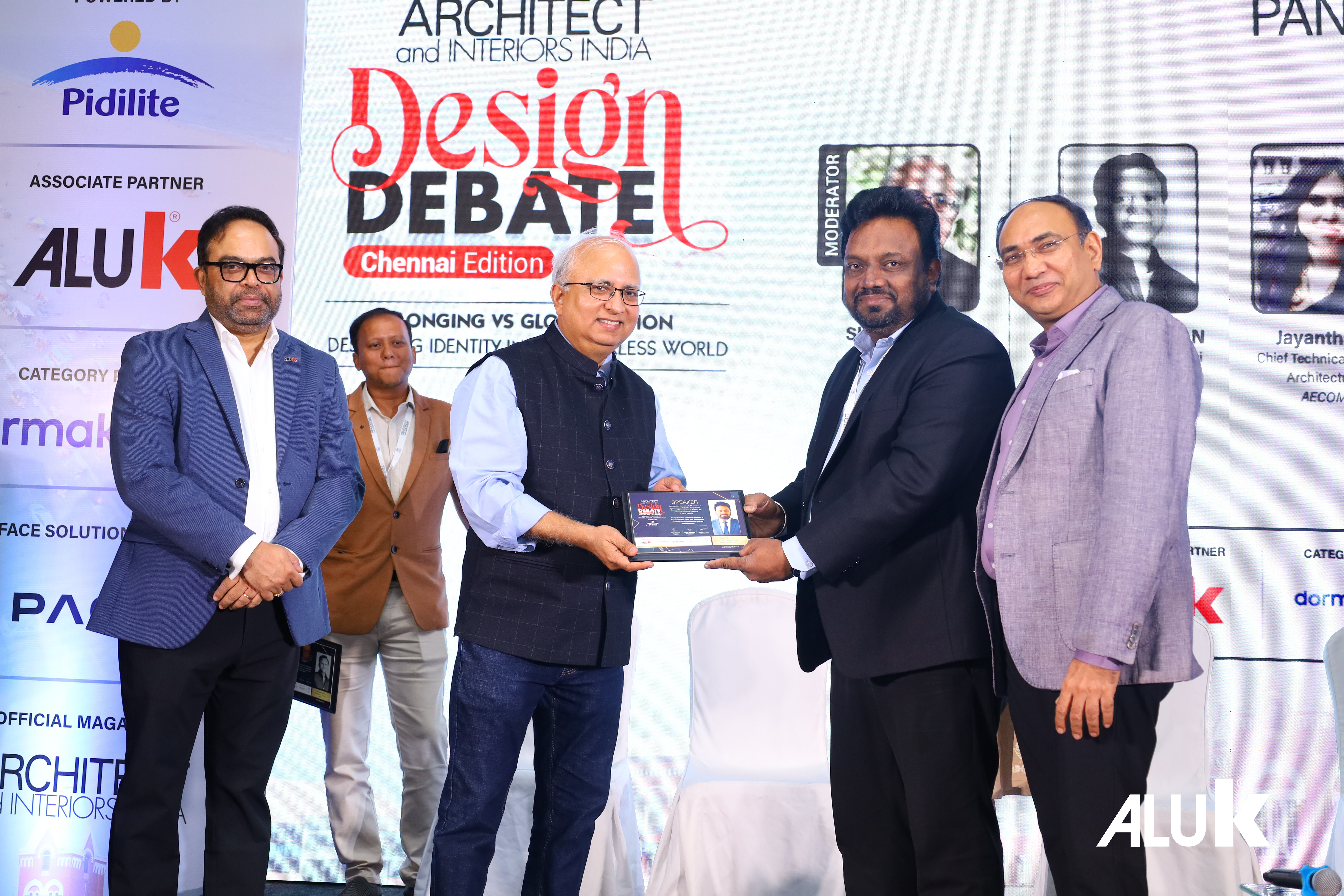
The evening’s Doyens Debate, moderated by Shripal Munshi, Founder Principal of SVA Shripal and Venkat Architects, brought together a distinguished cross-section of voices shaping the built environment at scale. The panel featured Gokulamurali KN, Regional Head – Chennai, Edifice; Jayanthy R, Chief Technical Lead – Architecture, AECOM; Shashi Suvarna, National Head – Technical Solutions, Pidilite Industries Ltd; Sriram Ganapathi, Partner, KSM Architecture; Sujatha Shankar, Chief Architect, Sujatha Shankar Architects Planners and Interior Designers; and Sunil Philip, Partner, PSP Design.
What emerged from the discussion was a strong consensus: architecture cannot be reduced to imported styles or surface-level references. Chennai’s climate realities, patterns of occupation, construction intelligence and urban culture demand responses that are deeply contextual. The panelists argued that true global relevance comes not from imitation, but from designing with confidence in local intelligence.
Equally dynamic was the Next-Gen Architects Forum, where rising practitioners each presented their ideas through individual PPT sessions, revealing how a younger generation is navigating identity through experimentation, sustainability and interdisciplinary thinking. Featured speakers included Rachana Goyam, Principal Designer at Midas Luxury Interiors; Shivangi Shukla, Founding Partner, Kintsungi Masons; Gayatri Gunjal, Principal Architect, Yellow Sub Studio; and Srinath Iyer, Environmental Consultant & Architect at Sun Green Environmental Services.
Their presentations reflected a generation less burdened by the binary of local versus global. Instead, they see design identity as something fluid, built through material honesty, environmental responsibility, technology and storytelling. For them, globalization is not a threat to belonging, but a platform to reinterpret it.
More than a panel discussion, the Chennai edition signalled a shift in professional thinking. The debate made clear that the future of architecture will not be decided between belonging and globalization, but in the intelligent synthesis of both. Buildings of consequence will be those that perform globally, yet belong unmistakably to where they stand.
By supporting platforms that foster critical industry dialogue, AluK continues to strengthen its role not only as a systems leader, but as a participant in the larger conversations shaping the future of architecture.