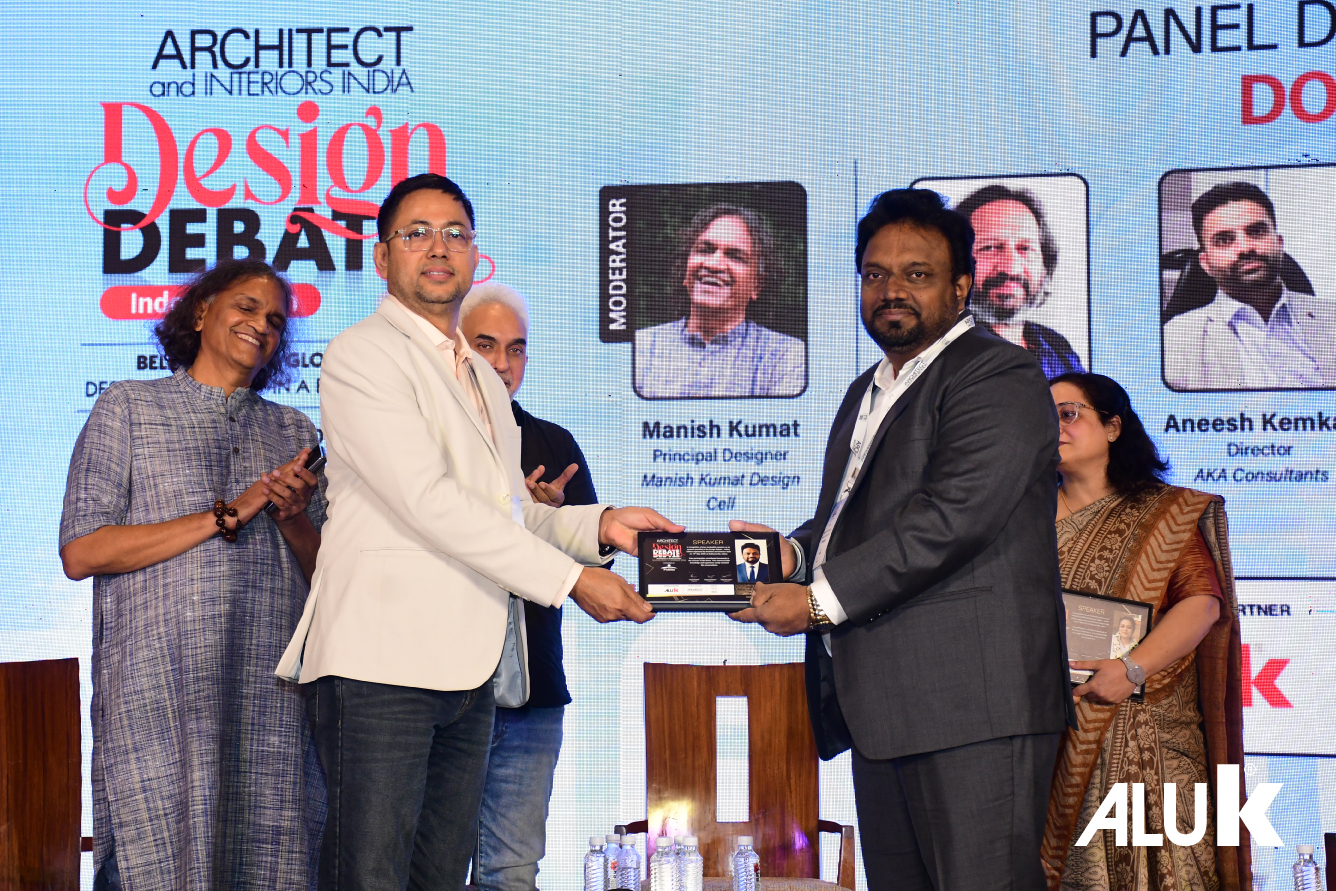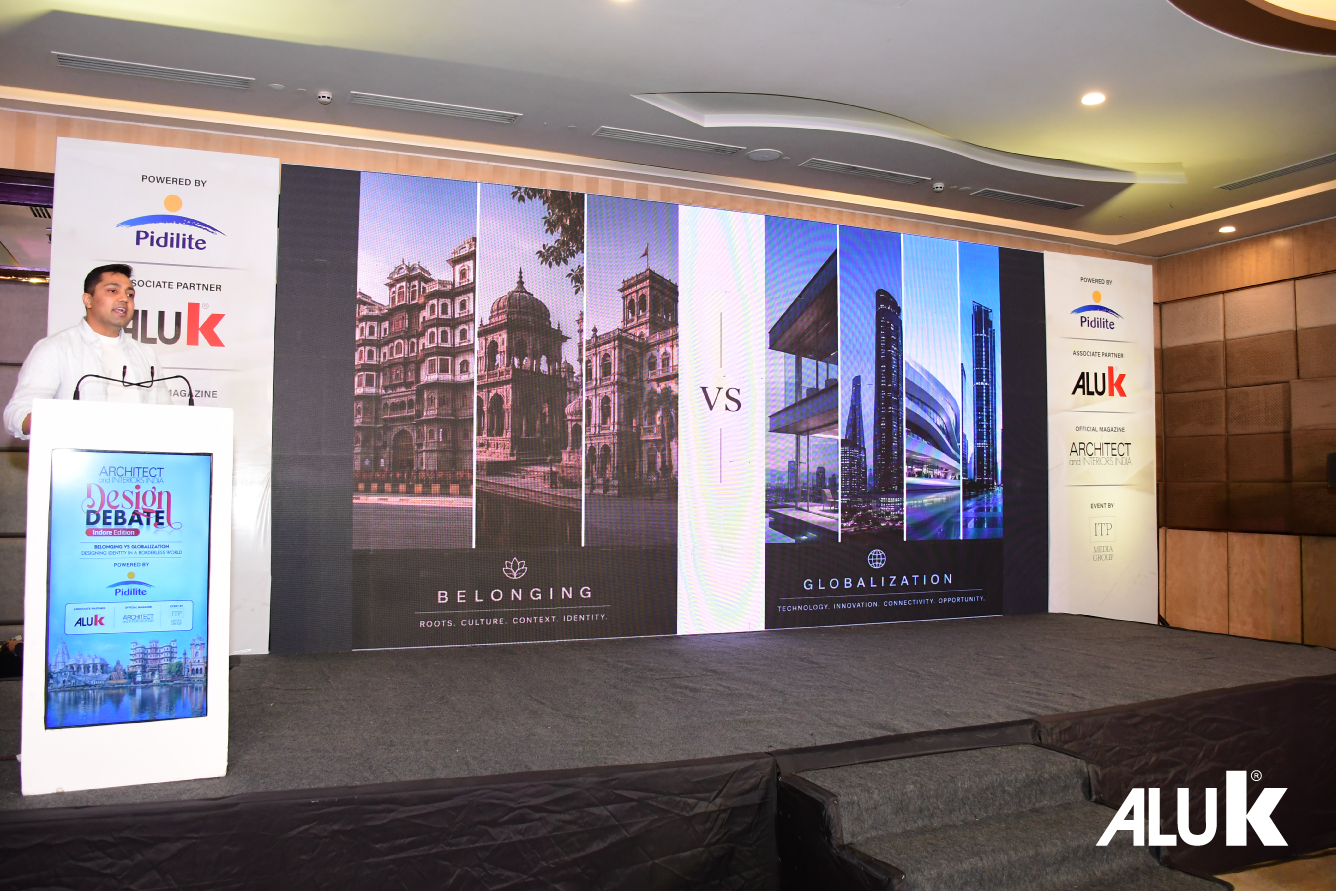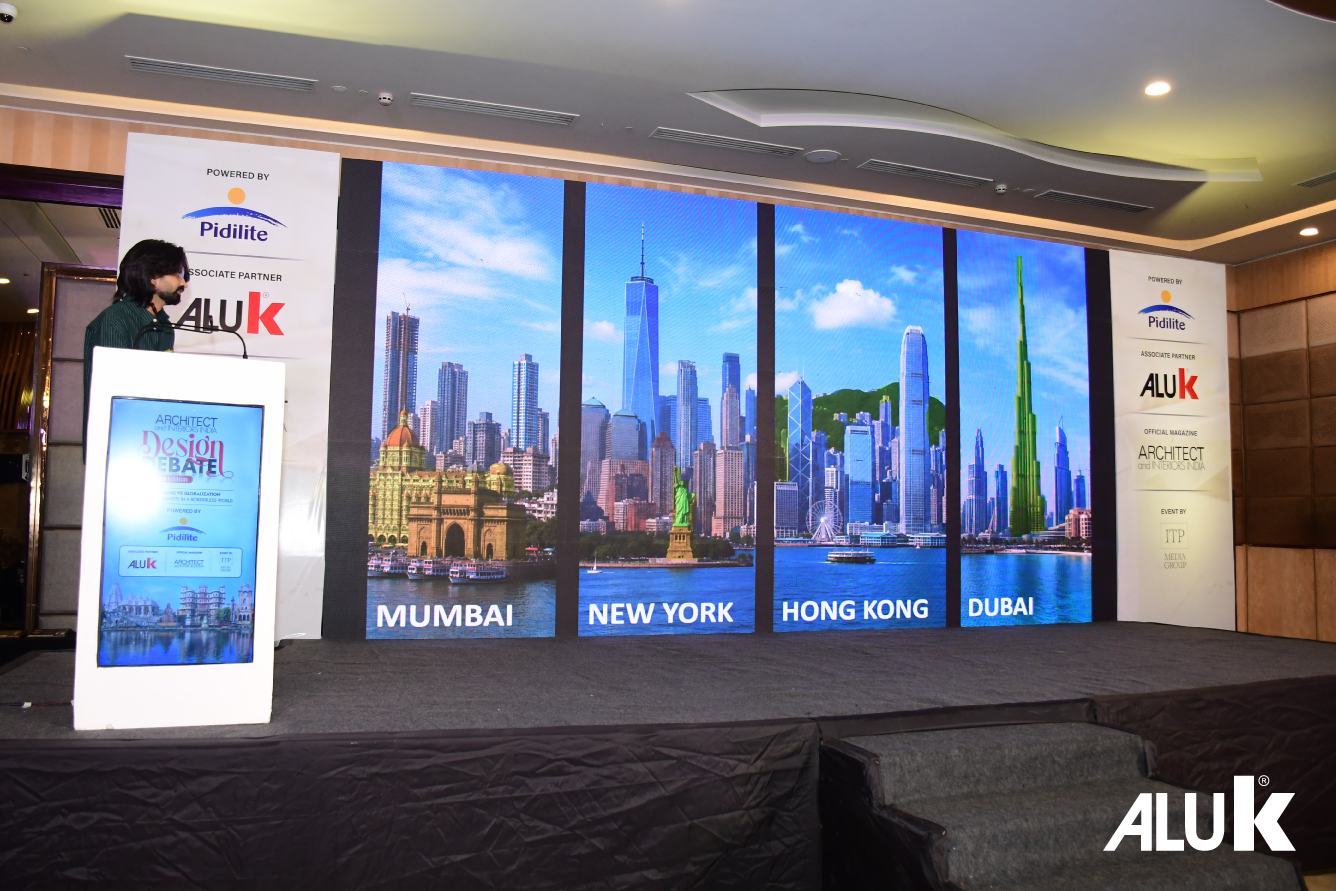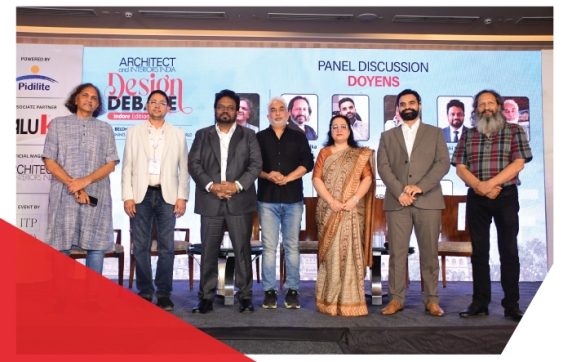
On 14th May, 2026, the Indore edition of Design Debate, organised by Architect and Interiors India, arrived at a moment when Indian cities are increasingly caught between inherited identities and global architectural sameness. Titled Belonging vs Globalization: Designing Identity in a Borderless World, the gathering brought together architects, consultants, and technical specialists in a discussion that moved well beyond aesthetics, interrogating how buildings today negotiate climate, memory, aspiration, and the politics of visibility. As Associate Partner, AluK India occupied a more ideological role, embedded within a larger discourse around how façades and architectural systems are beginning to shape the cultural language of Indian urbanism.
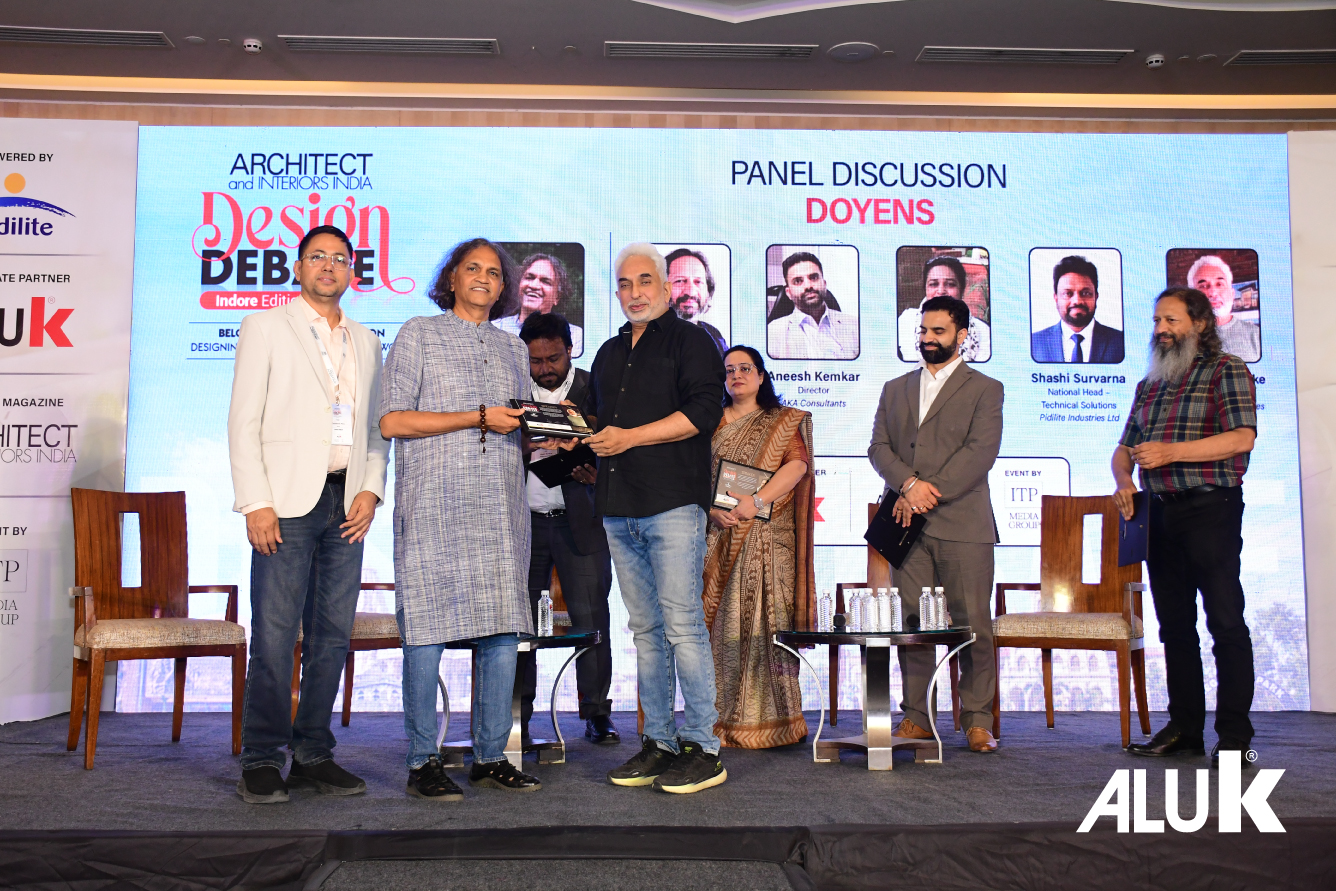
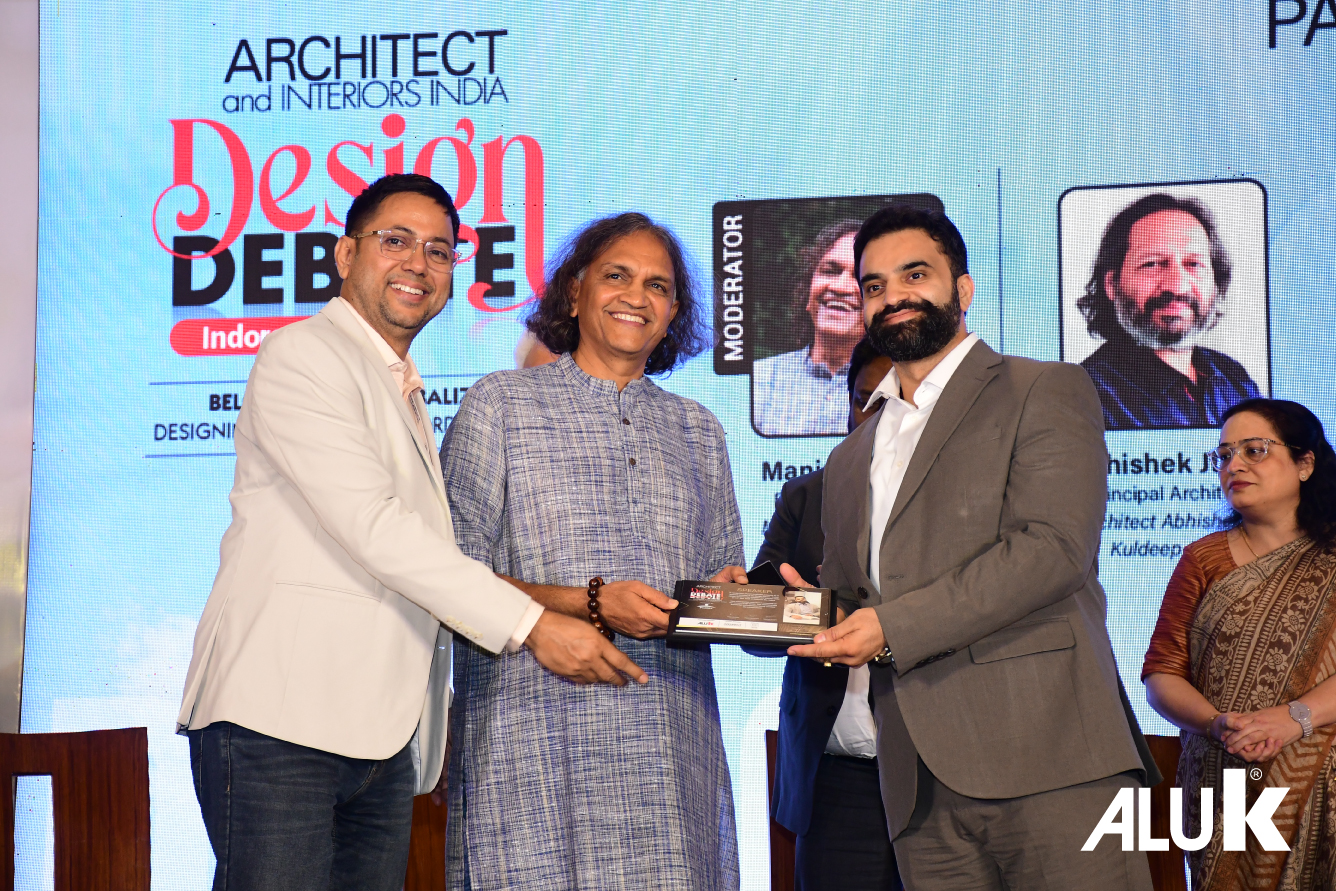
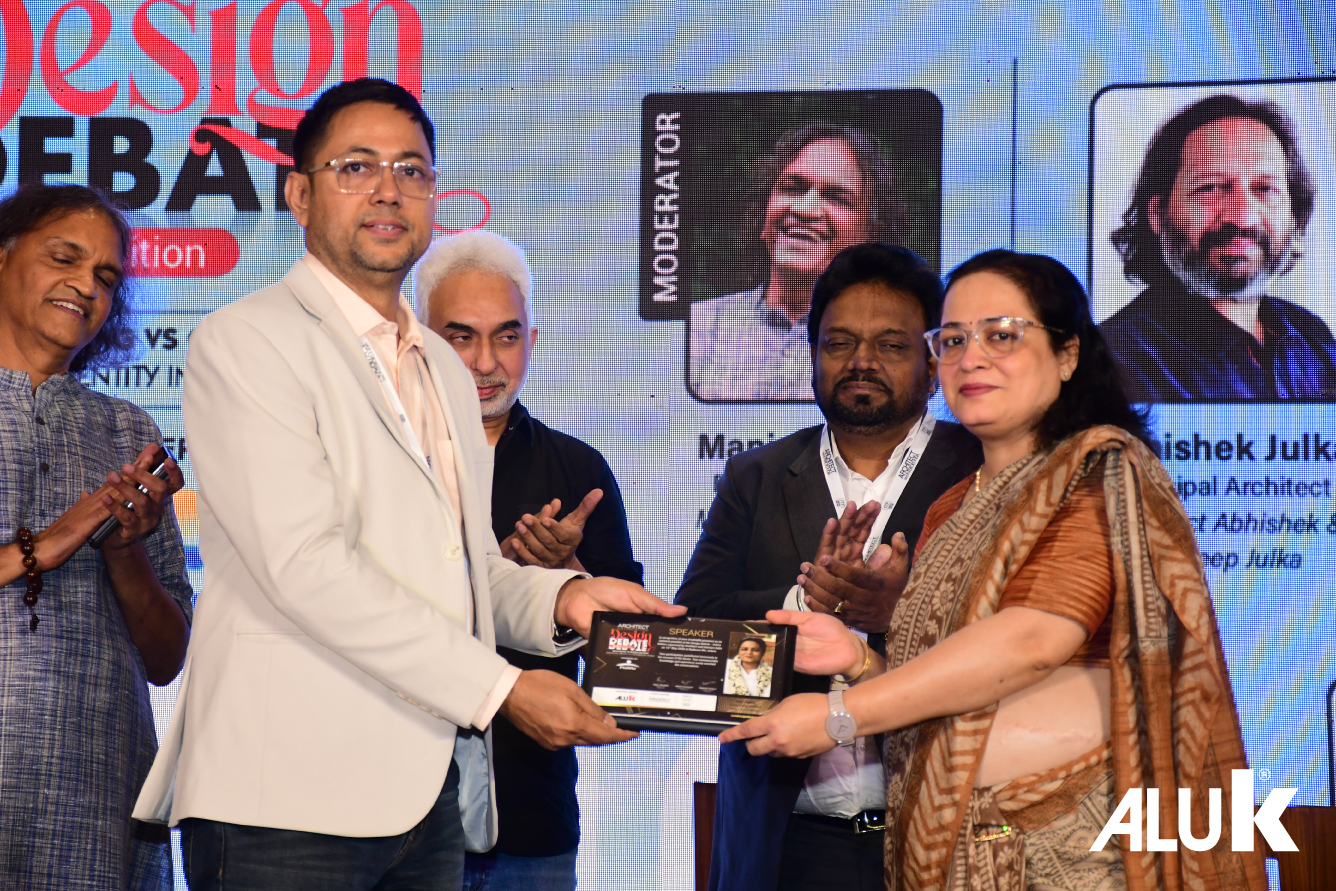
Curated by Manish Kumat, Principal Designer at Manish Kumat Design Cell, the panel assembled voices from across disciplines, including Aneesh Kemkar, Divya Pandey, Shashi Suvarna, Shaunak Ghodke, and Abhishek Julka. Together, they explored the increasingly blurred line between regional identity and global architectural language. What emerged was not nostalgia for the past, but a critique of sameness, the growing tendency of cities to adopt imported visual vocabularies detached from geography, climate, and behavioural context. The discussion repeatedly returned to the idea that architecture today risks becoming internationally recognisable yet locally anonymous, producing skylines that travel well across Instagram but respond poorly to place.
Throughout the evening, façades emerged as one of the debate’s charged subjects. No longer treated as decorative skins, they were discussed as responsive systems capable of influencing comfort, sustainability, permeability, and even cultural identity. Panellists examined how buildings today communicate through light, transparency, thermal behaviour, and material restraint rather than through monumental gestures alone. “The façade is no longer a surface,” an observation during the discussion suggested. “It has become architecture’s first ethical decision.” In that moment, conversations around fenestration, environmental responsiveness, and material performance moved beyond technical specification into questions of responsibility and urban consequence.
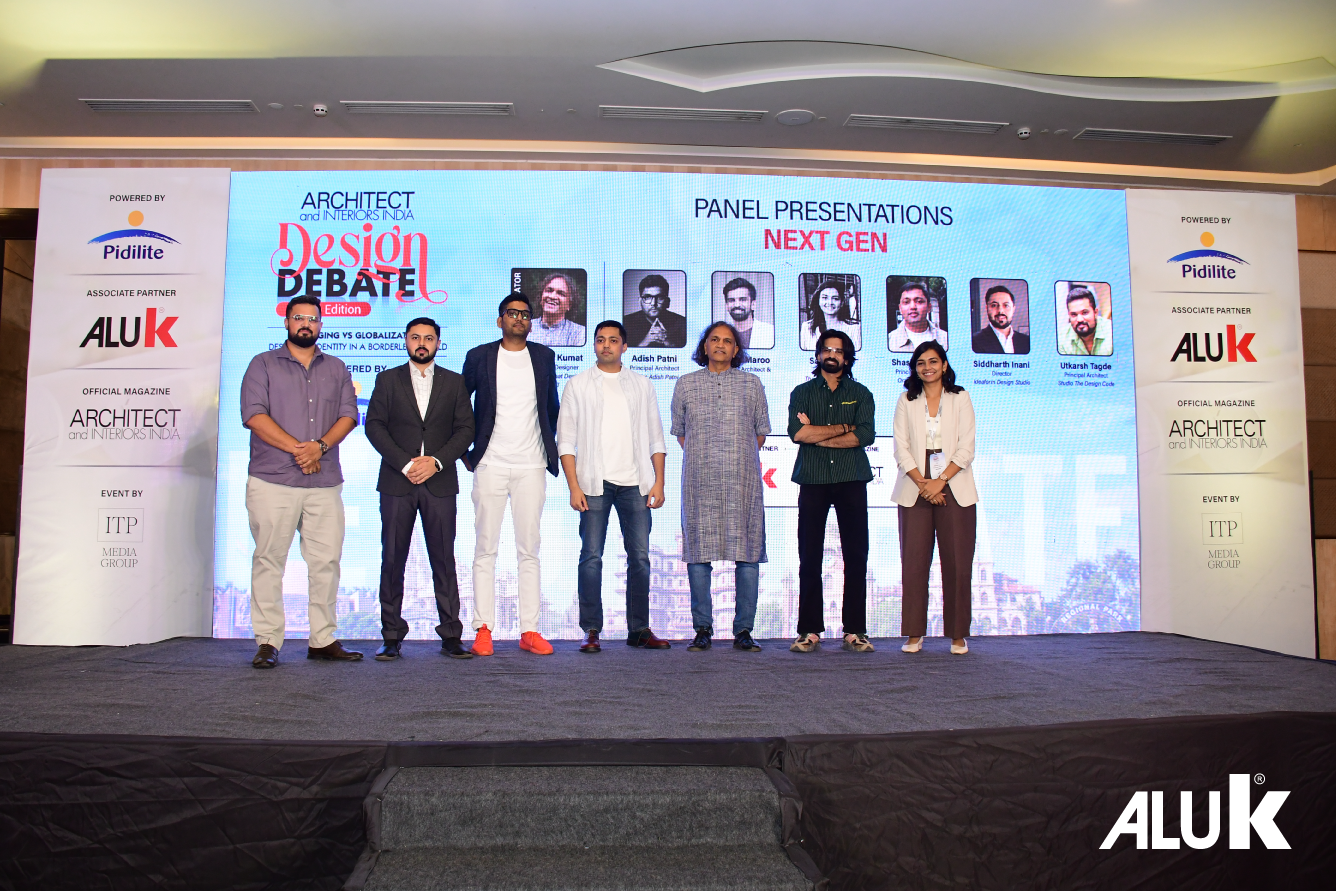
By the close of the event, the significance of the Indore edition extended well beyond a single evening’s discussion. It revealed an industry increasingly shaped by younger practices willing to question inherited assumptions while embracing technology with greater cultural sensitivity. Architects such as Adish Patni, Sakhi Jain, Siddharth Inani, Shashank Jain, Utkarsh Tagde, and Anand Maroo reflected a generation redefining what architectural relevance means today, less about stylistic signatures and more about environmental intelligence, material honesty, and urban empathy. Their presentations transformed the discourse into something more consequential: a glimpse into the evolving conscience of contemporary Indian architecture.
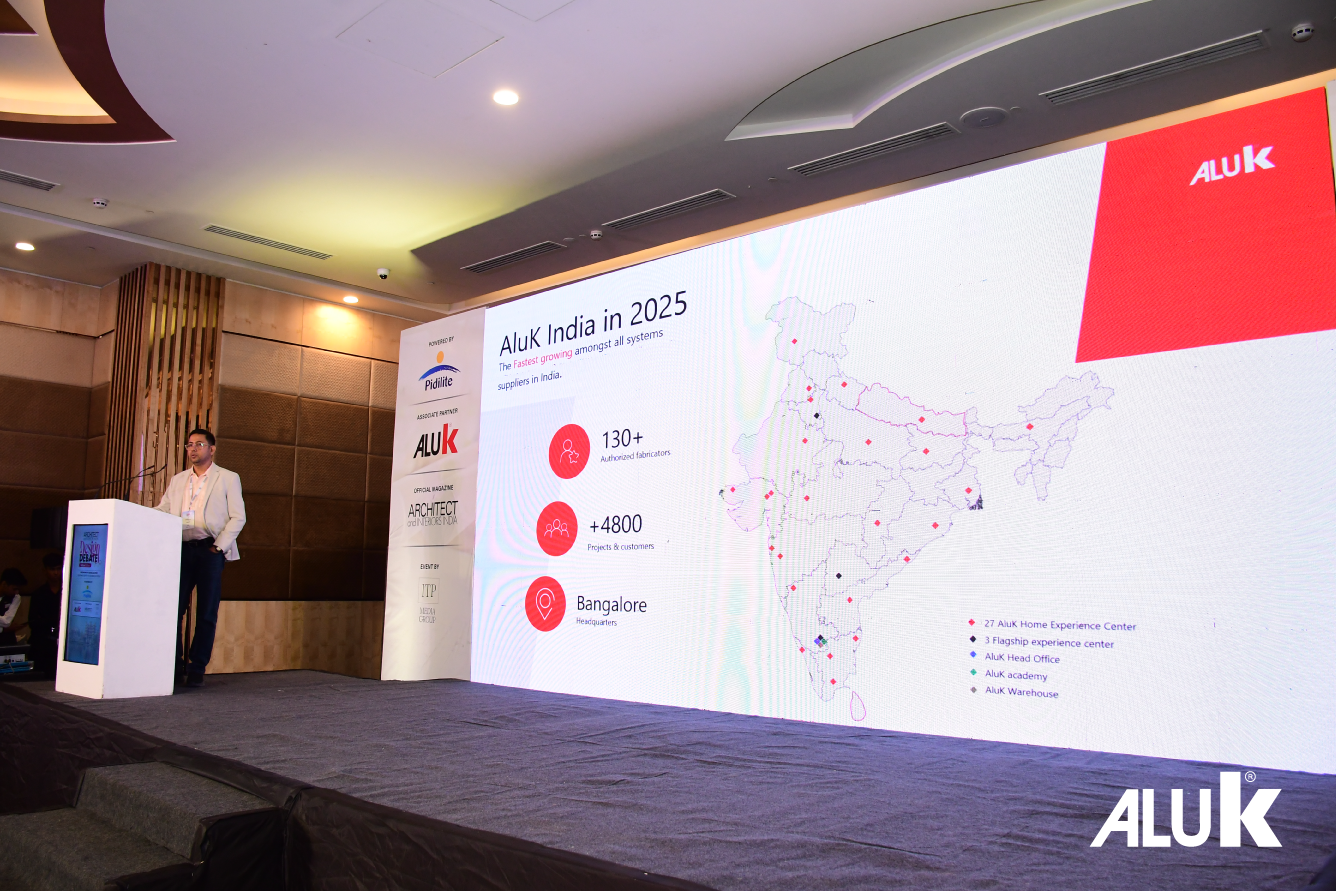
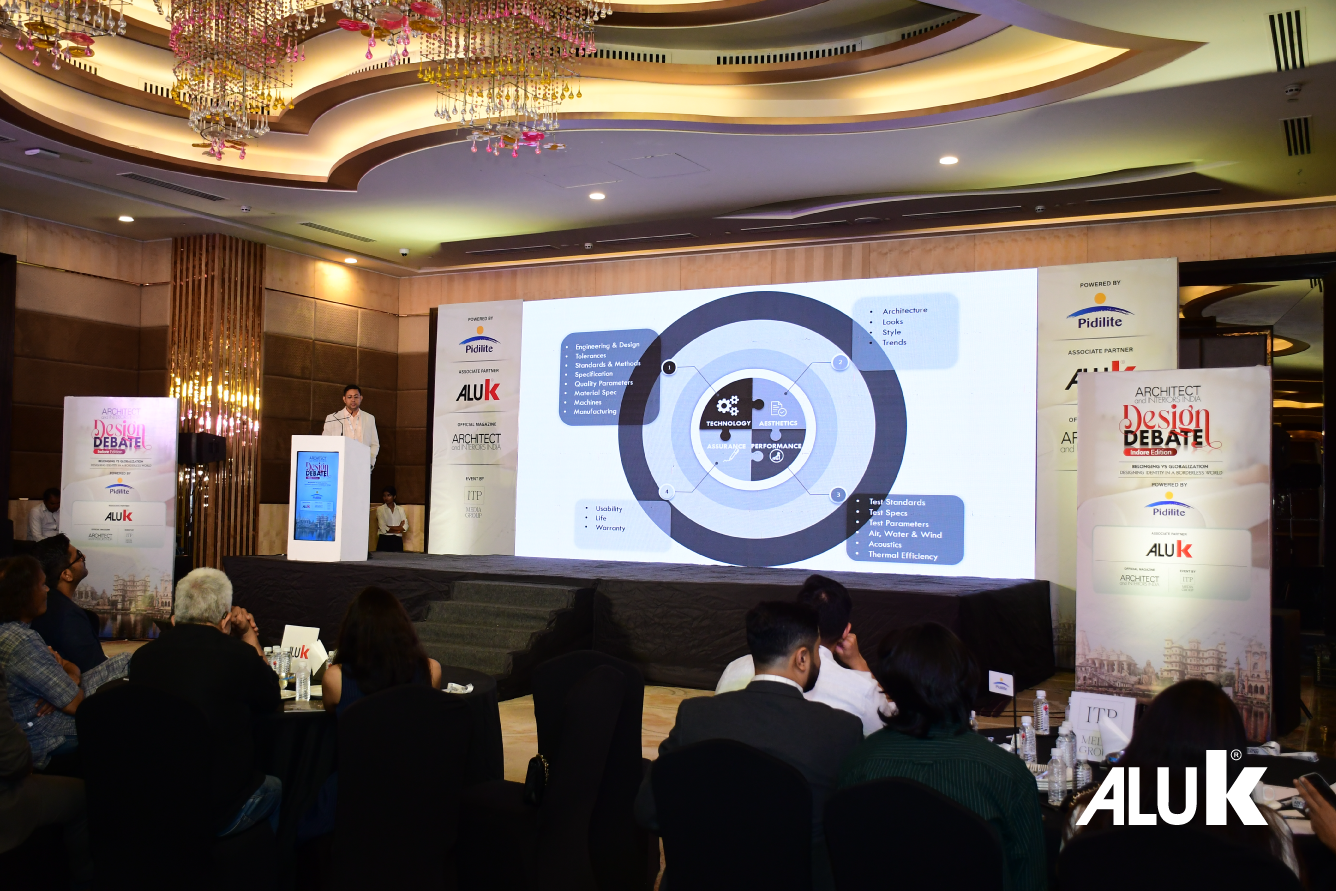
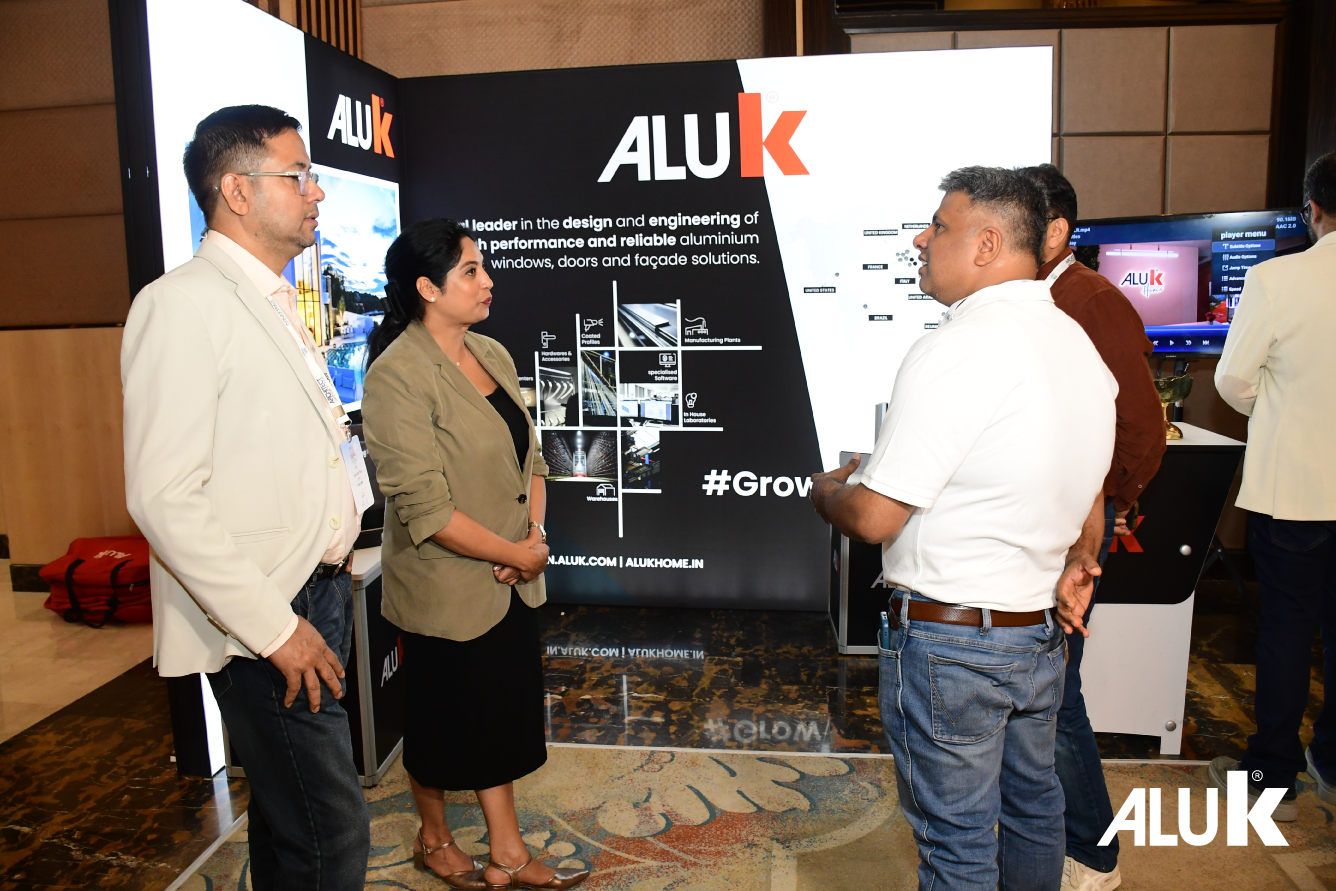
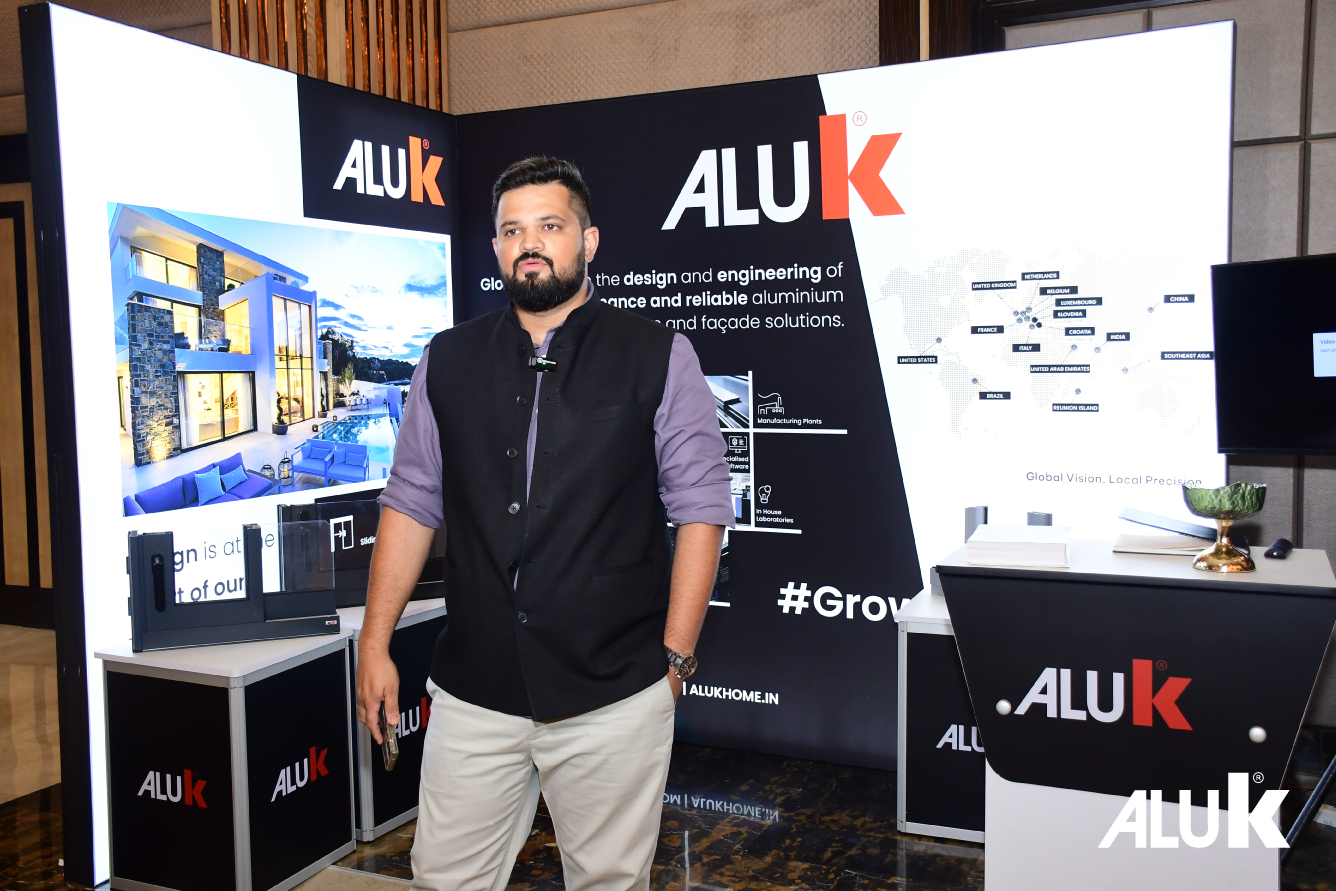
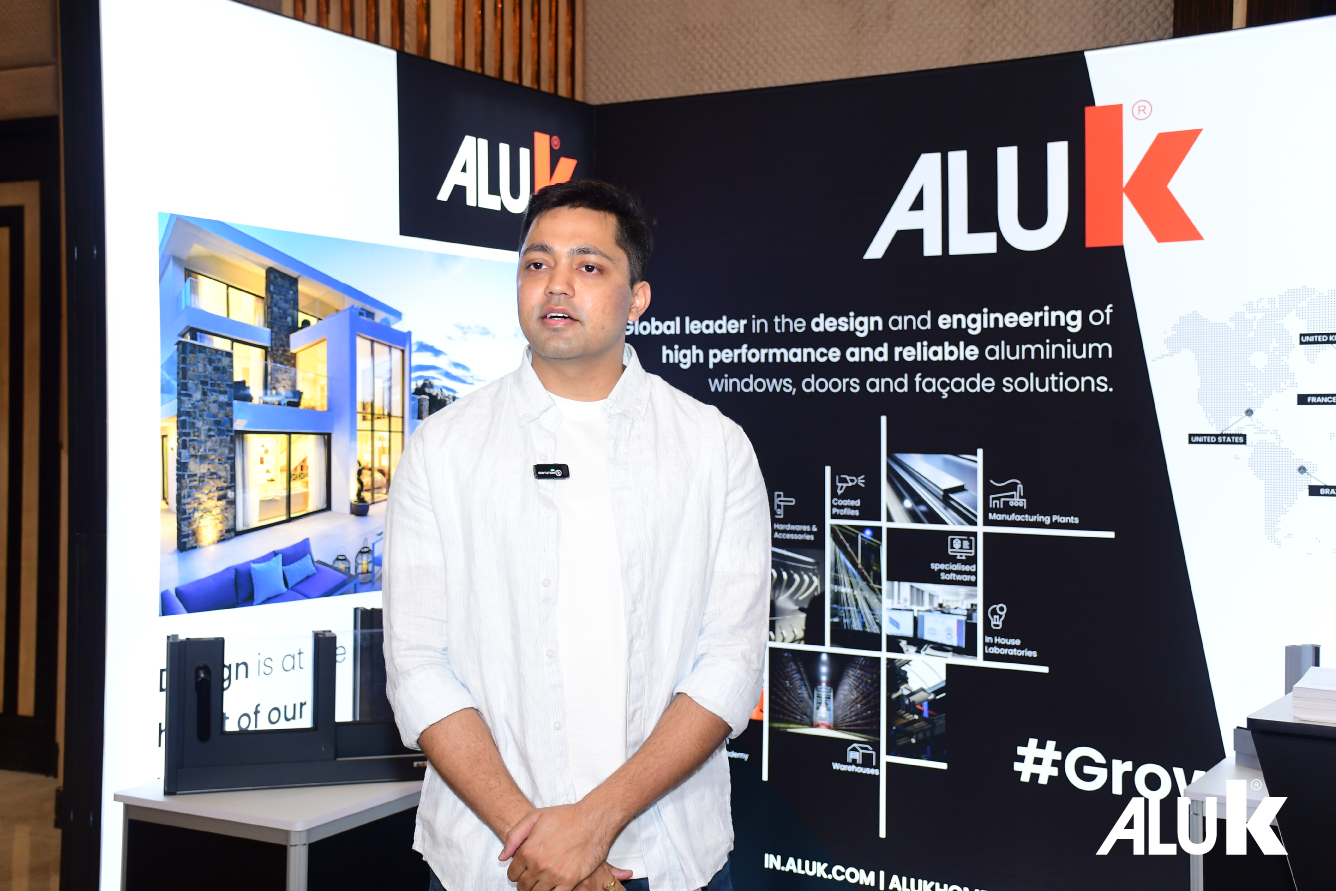
Representing AluK India, Mr. Debashis Roy, Zonal Sales Head – West and National Head of Strategic Project Sales, spoke about the growing role of advanced aluminium systems in shaping contemporary architecture. As buildings increasingly demand larger openings, slimmer sightlines, and higher environmental performance, he noted that façades today must balance openness with climatic responsiveness and precision engineering. His observations underscored how aluminium systems are evolving from technical components into key enablers of light, sustainability, and modern architectural expression.
As the evening concluded, the discussion left behind more than industry observations. It revealed an architectural culture reassessing what identity means in rapidly transforming cities. Beyond aesthetics and spectacle, the debate pointed toward a future shaped by intelligence, restraint, climate sensitivity, and contextual relevance. Against Indore’s changing skyline, one idea remained constant: architecture may become global in language, but its relevance will always depend on how deeply it understands place.