When it comes to high-rise projects, the facade is not just the outside of a building. It affects how safe it is, how it looks, how much energy it uses, how comfortable it is for the people inside, and how expensive it is to maintain over time.
Back in the day, high-rise structures relied on traditional facade system materials, including bricks, binding plaster, and stone cladding. However, due to their difficulty in meeting the needs of contemporary high-performance, high-speed, and sustainability-based projects, there has been an increase in demand for more effective solutions.
This has led to a clear industry shift toward aluminium system facades, particularly unitised and semi-unitised curtain wall systems, which offer a compelling combination of strength, flexibility, speed, and efficiency. Across commercial towers, residential high-rise projects, hospitals, and hotels, aluminium facades are rapidly becoming the preferred choice for modern architecture.
What Are Aluminium System Facades?
Aluminium façades are engineered envelope systems comprising precision-extruded aluminium profiles integrated with glass, metal panels, or other infill materials. Designed as system-based solutions, these façades are developed and performance-tested under controlled factory conditions to meet structural, weather, and thermal requirements. Depending on the system type, components are either fully unitised and pre-assembled in the factory or semi-unitised with partial site assembly, ensuring high dimensional accuracy, consistent quality, and efficient on-site installation.
Key Types of Aluminium System Facades
Unitised Curtain Wall Systems: Unitised systems consist of complete facade panels produced in a factory and installed on site as large modules, i.e., pre-assembled. The result of using a factory assembly process means better quality assurance and quicker installation, which is especially important for buildings that have multiple storeys.
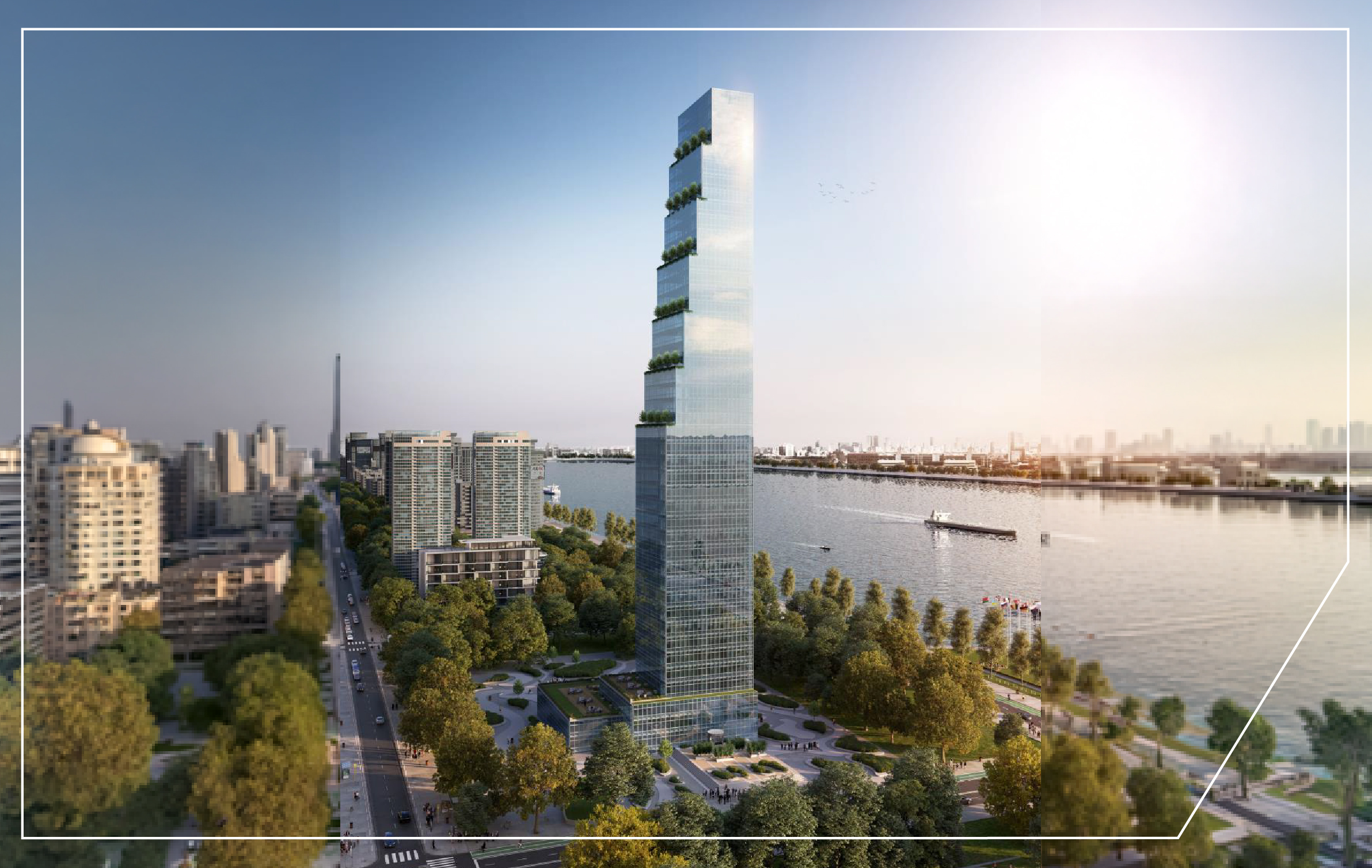
Semi-Unitised Systems: Semi-unitised systems combine factory-prepared framing with on-site glazing. Common configurations include:
- Toggle Systems: Flexible installation with controlled movement
- Sub-frame Systems: Enhanced alignment and structural support
This blog explains in detail why aluminium facades are preferred over conventional facades when it comes to high-rise projects.
1. Lightweight, Yet Structurally Strong
The most significant benefit of aluminium system façades is the extremely high strength-to-weight ratio of this material. Aluminium systems are substantially lighter than other materials, thus reducing the overall dead load to the modern building structure. This results in:
- Optimised structural design
- Reduced foundation and column loads
- Better seismic performance in earthquake-prone zones
Aluminium systems are engineered for the ability to withstand the high wind loads, thermal movement, and sway of buildings while still having a lightweight structure, therefore making them suitable for taller buildings where conventional materials are likely to crack or fail over time.
2. Superior Design Flexibility & Modern Aesthetics
Aluminium has become a popular material choice for modern architecture because it provides architects with true freedom of expression.
These systems allow architects to create:
- Large uninterrupted glass spans
- Slim sightlines and minimal profiles
- Curved, angular, or custom geometries
- Seamless integration with shading devices, fins, and louvres
Aluminium facades can be finished in powder-coated, anodised, or metallic textures and provide a sleek, contemporary design that is difficult to achieve using traditional facade materials.
Aluminium facade systems can be used for a variety of building types, including corporate office towers, high-end luxury apartments, or iconic hotels. Regardless of the type of building, aluminium facades help architects realise their bold design visions without sacrificing energy efficiency or structural integrity.
3. Faster Installation & Reduced Construction Time
Construction of high-rise buildings is time-sensitive because any delay on the project will impact the project costs. Aluminium facades, especially unitised systems, are prefabricated in controlled factory environments. This allows:
- Parallel progress of facade fabrication and structural construction
- Faster on-site installation with minimal scaffolding
- Reduced dependency on weather conditions
In contrast to conventional facades, which require many hours of on-site labour as well as a lengthy curing period, prefabricated aluminium systems can shorten a developer's overall construction schedule, resulting in quicker delivery to the developer and a quicker return on investment.
4. Excellent Thermal & Acoustic Performance
Energy efficiency and occupant comfort are now core considerations within building design and thus have been incorporated into many aluminium system façade designs.
Aluminium facades utilise modern technology that allows them to provide energy-efficient solutions for use in building designs. Some defining features of modern aluminium systems include:
- Thermal breaks to reduce heat transfer
- High-performance glazing (double or triple glazing)
- Advanced gasket and sealing systems
This results in:
- Reduced heat gain and heat loss
- Lower HVAC energy consumption
- Improved indoor temperature stability
Aluminium facades also provide superior sound insulation, which is particularly advantageous for use in high-rise buildings situated in densely populated city areas where noise is a major concern.
5. Long-Term Durability & Low Maintenance
Extreme environmental factors such as UV radiation, polluted atmosphere, humidity, and temperature changes affect the external appearance of a high-rise building.
Aluminium facades are inherently:
- Corrosion-resistant
- Weather-resistant
- Dimensionally stable
Aluminium facades, in contrast to traditional facades, will not experience cracks, discolouration or other signs of degradation over many years of use. In addition, they require very little upkeep to remain both functional and visually appealing for many years to come. Standard daily maintenance procedures, combined with periodic evaluations, provide adequate care for these systems, thus significantly reducing their total operating expenses over time.
6. Fire, Safety & Compliance Advantages
High-rise construction sites are heavily regulated in terms of safety and must be operated under strict guidelines by all involved parties, including contractors and other vendors.
Aluminium system façades are manufactured according to very stringent fire safety requirements and building codes. When installed together with other fire-rated (certified) glass, spandrel insulation, and correctly constructed compartmentation details, aluminium system facades help with:
- Improved fire containment
- Reduced risk of facade failure during emergencies
- Compliance with international and local building codes
Using factory-controlled fabrications provides consistent quality and conformance to the minimum performance level established during testing. Factory-fabricated aluminium system facade products also make it much easier to conform to these requirements than it would if the products were constructed on-site by traditional construction practices.
7. Cost Efficiency Over the Building Lifecycle
Aluminium systems are perceived as expensive at first when compared with traditional products. However, in a lifecycle cost analysis, the true value of these systems emerges.
Aluminium systems offer:
- Faster construction and reduced labour costs
- Lower maintenance and repair expenses
- Improved energy efficiency leading to operational savings
- Longer service life with sustained performance
When looking at a 20-30 year period, an aluminium system facade will usually outlast a conventional system facade in terms of total savings; therefore, providing greater overall benefits to developers, operators, owners, and occupants.
Aluminium Facades vs Conventional Facades
When comparing aluminium vs. conventional facades for modern buildings, the difference becomes evident across performance, construction efficiency, and long-term value.
Weight and Structural Impact
Aluminium facades: Significantly lighter than traditional materials such as stone cladding, brick masonry, or concrete panels. This reduced weight lowers the overall dead load on the building, allowing for more efficient structural design and improved seismic performance.
Conventional facades: Heavier compared to aluminium. Often demand stronger structural members and foundations, increasing both material usage and costs.
Installation Speed and Construction Efficiency
Aluminium facades: Largely prefabricated, enabling faster and more controlled installation on-site. This minimises dependency on weather conditions and reduces construction timelines.
Conventional facades: Rely heavily on on-site workmanship, curing time, and scaffolding, making them slower and more prone to delays.
Design Flexibility and Aesthetic Possibilities
Aluminium facades: Offer exceptional design flexibility, supporting large glass spans, slim profiles, complex geometries, and contemporary finishes. They enable architects to create clean, minimalist facades with consistent visual quality.
Conventional facades: Robust but limited in terms of customisation and often struggle to achieve the same level of precision and modern aesthetic appeal.
Thermal, Acoustic, and Energy Performance
Aluminium facades: Engineered with thermal breaks, advanced sealing systems, and high-performance glazing to deliver superior thermal and acoustic insulation.
Conventional facades: Typically depend on additional layers or retrofitted solutions to achieve comparable performance, which may still fall short over time.
Maintenance and Durability
Aluminium facades: Naturally corrosion-resistant and perform well under harsh environmental conditions.
Conventional facades: More susceptible to cracking, staining, fading, and weather-related deterioration, leading to higher maintenance and repair costs.
Lifecycle Cost and Long-Term Value
Aluminium facades: Higher upfront investment but deliver better returns over the building’s lifespan through durability, energy savings, and reduced operational expenses.
Conventional facades: Cost-effective initially, but require higher maintenance, longer construction time, and have lower energy efficiency, often resulting in increased lifecycle costs.
Recyclability
Aluminium facades: Aluminium is one of the most recyclable construction materials available and can be recycled repeatedly without loss of performance or quality. Aluminium system facades support circular construction practices and help reduce environmental impact.
Conventional facades: Many conventional facade materials, such as composite masonry or stone systems, are difficult to recycle, often ending up as demolition waste.
Overall, aluminium facades represent a more advanced, future-ready approach to building envelopes, offering clear advantages over conventional facade solutions in high-rise and modern construction projects.
When Should Developers Choose Aluminium System Facades?
Selecting an appropriate facade system is a critical step in deciding the aesthetics as well as the overall performance of the building and how economically the building can be constructed. Furthermore, aluminium facades are very effective in certain project types where traditional facade solutions would not be as effective.
High-Rise Residential and Commercial Developments
For tall buildings, structural efficiency and performance under wind load and building movement are critical. Aluminium facades are engineered to accommodate building sway, thermal expansion, and high wind pressures commonly experienced at greater heights. In addition, the lightweight materials of the façades also reduce the force of the building's vertical load, which is another advantage for buildings at higher elevations. Thus, aluminium façades are optimal selections for any type of tall building, including residential, office, hotel, and other developments.
Projects with Tight Construction Timelines
Because of their modular and prefabricated construction options, aluminium facades are often an excellent choice for developers working with tight deadline constraints. The use of unitised and semi-unitised facade systems creates a separate fabrication process for the facade, which occurs in conjunction with the structure's construction, resulting in a significantly faster installation time when compared to traditional means. The rapid fabrication and installation of the facade provide an opportunity to minimise project delays, effectively control project costs, and meet deadlines sooner than expected.
Architecturally Complex or Premium Developments
Projects with distinctive design features such as large glass areas and unconventional geometries require aluminium profiles, as they allow for design adaptability without sacrificing performance. Aluminium facade systems support slim sightlines, structural glazing, curved or angled facades and an extensive range of finishes. Aluminium facade systems are particularly suited for premium residential buildings, landmark commercial developments, luxury hotel construction projects, and upscale institutions.
Projects in Harsh or Challenging Climatic Conditions
In areas that have extreme climatic conditions such as intense heat, frequent rain, extreme winds, and polluted air, the performance of the facades becomes very important. For instance, the aluminium systems are also resistant to corrosion and designed to be relatively stable under extreme weather conditions, which makes them ideal for oceanfront, tropical and urbanised areas where the exterior surface will usually degrade quicker than standard building products.
Developments Focused on Long-Term Asset Value
Aluminium facades not only provide initial construction cost value to developers; they also provide considerable value over time due to being durable, low maintenance, and energy efficient, thus reducing a building's operating cost throughout its lifetime. Modern aluminium facades also add to the aesthetic and market value of a building, which in turn leads to increased rental yields and better resale value.
Projects Requiring High Levels of Safety and Compliance
High-rise buildings must meet high safety, fire & performance standards, and aluminium facades have been tested & designed with these standards in mind. Factory-controlled manufacturing and system-level testing ensure consistent compliance, reducing construction risk and ensuring long-term reliability.
Conclusion
Aluminium-based systems for high-rise buildings have been gaining traction as a result of many benefits, including how the product produces stronger structures, offers maximum flexibility in form and functionality for architects, has dramatically shortened the time it takes to construct a project as a result of using pre-manufactured components, and is cost-effective in the long run.
As urban skylines evolve and buildings become taller, smarter, and more sustainable, aluminium facade systems such as AluK’s unitised and semi-unitised systems are helping shape the future of architecture. By moving beyond conventional materials, developers and architects can deliver buildings that perform better, last longer, and stand out in an increasingly competitive landscape.
FAQs
Q1:Are aluminium system facades suitable for high-rise buildings?
Yes. Aluminium system facades are particularly well-suited for high-rise buildings. They are engineered to withstand high wind loads, accommodate building movement and thermal expansion, and maintain performance at greater heights. Their lightweight nature reduces structural load, while unitised and semi-unitised systems ensure consistent quality, safety, and performance across tall structures.
Q2:Are aluminium facades more expensive than conventional facades?
At an initial cost level, aluminium facades may appear more expensive than conventional facade solutions. However, when evaluated over the building’s lifecycle, they are often more cost-effective. Faster installation reduces construction time and labour costs, while low maintenance, durability, and energy savings significantly lower long-term operational expenses, delivering better overall value.
Q3:Do aluminium system facades improve energy efficiency?
Yes. Modern aluminium facades are designed with thermal breaks, high-performance glazing, and advanced sealing systems that reduce heat transfer and air leakage. This improves indoor thermal comfort and lowers reliance on heating and cooling systems, resulting in reduced energy consumption and improved building efficiency.
Q4:How long do aluminium system facades last?
Aluminium facades are highly durable and can perform effectively for several decades. Aluminium is corrosion-resistant and performs well under varied climatic conditions. With proper installation and routine maintenance such as cleaning and inspections, these facades retain both their structural integrity and visual appeal over the long term.
Q5:Can aluminium facades be customised for design requirements?
Absolutely. Aluminium facades offer exceptional design flexibility. They can be customised to accommodate large glass panels, slim profiles, curved or angular geometries, structural glazing, and a wide range of finishes, including anodised and powder-coated options. This makes them ideal for projects with specific architectural and aesthetic requirements.