Introduction
Minimalism has transformed the way buildings interact with their surroundings. Today's architectural projects prioritise openness, daylight, uninterrupted views and a seamless connection between indoor and outdoor spaces. Whether designing a luxury residence, a hospitality project or a premium commercial development, architects are increasingly looking for glazing solutions that deliver both visual impact and functional performance.
This demand has led to the growing adoption of multitrack aluminum doors, which allow expansive openings without compromising structural integrity or aesthetics. Unlike conventional sliding systems, these advanced door configurations provide greater design flexibility by accommodating multiple panels that can stack, disappear into concealed wall pockets or feature ultra-slim sightlines depending on the architectural intent.However, choosing the right configuration goes beyond aesthetics alone. Each system offers distinct advantages depending on the project's design intent, spatial constraints and user experience.
This guide explores the three most popular multi-track sliding door systems, stacking, pocketing and floating, helping architects and specifiers understand where each solution performs best and how to select the right system for different architectural applications.
What Are Multitrack Aluminium Door Systems?
Unlike conventional sliding doors that typically operate on two tracks, multitrack aluminium door systems use three, four or more tracks to accommodate multiple movable panels. This enables significantly larger openings while maintaining smooth operation and slender aluminium profiles.
As buildings increasingly embrace open-plan layouts and expansive glazed façades, these systems have become an integral part of contemporary architecture. Their ability to support large glass panels while offering multiple opening configurations makes them suitable for a wide range of residential and commercial applications.
Key characteristics of multitrack aluminium doors include:
- Multiple sliding panels operating on independent tracks
- Wider clear openings than conventional sliding systems
- Slim aluminium profiles for enhanced daylight and views
- Flexible panel configurations based on project requirements
- Smooth and reliable operation for large glass panels
- Compatibility with high-performance glazing for improved thermal and acoustic performance
From premium residences and resort villas to hospitality projects and commercial developments, aluminium sliding door systems are helping architects achieve transparent, light-filled spaces without compromising performance.
Why Are Architects Choosing Multitrack Sliding Doors More Frequently?
Architecture today is increasingly focused on creating spaces that feel open, adaptable and connected to their environment. Large glazed openings are no longer viewed as luxury additions but as integral design elements that enhance occupant experience and building performance.
This shift has made large opening aluminium doors an increasingly common specification across luxury residential, hospitality and mixed-use developments.
Several factors are contributing to this growing preference.
Greater Design Freedom
Multiple sliding panels enable architects to design wider openings that were previously difficult to achieve with conventional door systems. This flexibility supports more ambitious architectural concepts while maintaining structural efficiency.
Stronger Indoor-Outdoor Connection
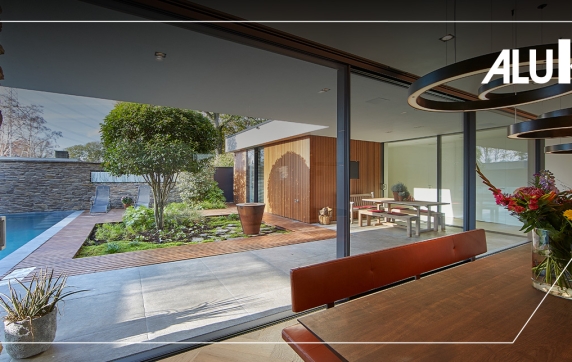
Modern buildings often blur the boundary between interior and exterior spaces. Minimal sliding doors help create seamless transitions between living areas, terraces, courtyards, gardens and pool decks, enhancing both usability and visual continuity.
Slimmer Sightlines
Aluminium's high strength allows for narrower frame profiles without sacrificing durability. The result is larger glazed areas that maximise daylight and provide uninterrupted views.
Support for Contemporary Architecture
Clean lines, minimalist detailing and expansive glazing define many modern buildings. Luxury aluminium doors complement these design principles by combining elegant aesthetics with engineered performance.
Improved Building Performance
When specified with appropriate glazing and hardware, multitrack aluminium doors contribute to:
- Enhanced thermal insulation
- Improved acoustic comfort
- Weather resistance
- Smooth operation of large panels
- Long-term durability with minimal maintenance
As sustainability, occupant comfort and architectural expression continue to shape contemporary design, multi-track sliding door systems have become an increasingly preferred solution for projects seeking both performance and aesthetics.
What Is a Stacking Sliding Door System?
Among the various aluminium sliding door systems, stacking sliding doors remain one of the most versatile and widely specified configurations.
In this system, multiple door panels slide independently along dedicated tracks before stacking neatly behind one another at one or both ends of the opening. This configuration creates significantly larger clear openings than traditional sliding doors while requiring minimal structural modifications.
Because the panels remain visible when open, stacking systems offer an excellent balance between design flexibility, ease of installation and everyday functionality.
Key Features of Stacking Sliding Doors
- Multiple operable panels moving along independent tracks
- Wide opening capabilities for large spans
- Flexible panel configurations to suit project requirements
- Smooth operation with high-quality rollers and hardware
- Compatible with large glazed panels
- Ideal for contemporary architectural designs
Stacking systems are commonly specified in projects where architects want expansive openings without introducing concealed wall pockets or more complex structural interventions.
When Should You Choose Stacking Doors?
Stacking sliding doors are particularly suitable when projects require flexibility, practicality and large openings while maintaining installation efficiency.
Architects often specify stacking sliding doors for:
- Luxury residences with large living spaces
- High-rise apartments overlooking scenic views
- Villas with patios or landscaped gardens
- Hospitality projects including resorts and boutique hotels
- Clubhouses and recreational facilities
- Restaurants with indoor-outdoor seating
- Commercial lounges and collaborative workspaces
They are also an excellent solution for renovation projects where introducing concealed wall pockets may not be structurally feasible.
What Is a Pocket Sliding Door System?
Imagine a façade where large glass panels disappear completely from view when opened, creating a seamless connection between interior and exterior spaces. That's exactly what pocket sliding doors are designed to achieve.
Unlike stacking systems, pocket sliding doors slide into specially designed wall cavities, or "pockets", allowing the panels to become completely concealed. When fully open, the opening remains free from visible stacked panels, delivering a clean, unobstructed transition between spaces.
This makes pocket sliding doors a preferred solution for projects where visual continuity and openness are central to the architectural concept.
Key Features of Pocket Sliding Door Systems:
- Door panels slide into concealed wall pockets
- Creates completely unobstructed openings
- Eliminates visible stacked panels
- Supports expansive glazed elevations
- Delivers minimalist aesthetics
- Integrates seamlessly with contemporary architecture
Although these systems require careful planning during the design and construction stages, the architectural outcome is often well worth the additional coordination.
Suggested In-content Image: Pocket sliding doors disappearing into concealed wall cavities in a luxury villa.
What Are the Advantages of Pocket Sliding Doors?
As contemporary architecture increasingly prioritises clean lines and uninterrupted spaces, pocket sliding systems continue to gain popularity across premium residential and hospitality developments.
Some of their key advantages include:
Complete Visual Continuity
Since the door panels disappear into the wall, occupants experience a completely open space with uninterrupted views and circulation.
Enhanced Indoor-Outdoor Living
Pocket systems create a stronger connection between interior spaces and gardens, courtyards, terraces or pool decks, making them ideal for projects focused on lifestyle and experiential design.
Minimal Visual Distraction
Without stacked panels occupying part of the opening, the architecture appears cleaner, lighter and more refined.
Premium Architectural Appeal
The concealed operation contributes to a sophisticated appearance often associated with luxury residences, boutique hospitality projects and high-end commercial developments.
Flexible Space Planning
By eliminating visible door stacks, architects gain greater flexibility in arranging furniture, circulation paths and activity zones.
Increased Natural Light
Large glazed openings maximise daylight penetration, reducing dependence on artificial lighting while enhancing occupant comfort.
Where Are Pocket Sliding Doors Best Suited?
While pocket sliding doors offer remarkable design flexibility, they are not suitable for every project.
Because the panels require concealed wall cavities, they should ideally be incorporated during the early design stages, allowing adequate structural coordination.
Pocket sliding systems are particularly well suited for:
- Luxury villas
- Premium residential developments
- Beachfront residences
- Courtyard houses
- Resort villas
- Boutique hotels
- Wellness retreats
- Clubhouses
- High-end hospitality projects
They may be less suitable for refurbishment projects where structural modifications are difficult or where sufficient wall depth cannot be accommodated.
For architects seeking uninterrupted openings and a truly minimalist aesthetic, pocket systems remain one of the most elegant large opening aluminium door solutions available.
What Is a Minimal Sliding Door System?
Among today's most sophisticated aluminium sliding door systems, minimal sliding door systems represent the pinnacle of minimalist architectural design.
Rather than drawing attention to the framing, these systems are engineered to minimize the visible structure, Minimal Sliding creating the visual impression that large glass panels appear to float through concealed frames and ultra-slim sightlines. Hidden tracks, slim sightlines and carefully integrated hardware work together to reduce visual clutter while maximizing transparency.
The result is a façade that feels lighter, cleaner and more closely connected to its surroundings.
Characteristics of Minimal Sliding Minimal Sliding Door Systems
- Ultra-slim aluminium profiles
- Minimal visible framing
- Hidden or discreet hardware integration
- Large uninterrupted glass surfaces
- Smooth sliding operation
- Premium architectural appearance
Minimal Sliding systems are particularly effective in projects where glazing is intended to become an architectural feature rather than simply an opening.
Why Are Minimal Sliding Door Systems Considered a Luxury Feature?
Luxury architecture is often defined not by ornamentation, but by simplicity executed with precision. Minimal sliding systems embody this philosophy by combining advanced engineering with restrained aesthetics.
Several factors contribute to their premium positioning.
Exceptional Minimalism
Reduced sightlines allow glass to become the dominant visual element, enhancing transparency and openness.
Panoramic Views
Whether overlooking landscapes, water bodies or urban skylines, Minimal Sliding systems minimise visual interruption and maximise the viewing experience.
Precision Engineering
Supporting large glazed panels with ultra-slim aluminium profiles requires advanced profile engineering, precision manufacturing and premium hardware.Enhanced Spatial Experience
By reducing visible framing, interiors feel brighter, more expansive and more connected to the surrounding environment.
Architectural Prestige
Minimal sliding doors are increasingly specified in:
- Signature residences
- Luxury penthouses
- High-end resorts
- Exclusive hospitality projects
- Contemporary architectural landmarks
Their refined appearance aligns perfectly with projects that seek timeless elegance through minimal design.
What Should Architects Consider Before Specifying a Multitrack Aluminium Door System?
While aesthetics often drive the initial design intent, selecting the right multitrack aluminium door system requires a careful evaluation of technical, structural and operational requirements. Each project presents unique challenges, and understanding these factors early in the design phase can help ensure long-term performance.
Before specifying a system, architects should consider the following:
Opening Dimensions
The width and height of the opening influence the number of tracks, panel sizes and overall configuration. Larger openings may benefit from stacking or pocket systems, while premium residential projects may prioritise Minimal Sliding premium residential projects may prioritise minimal sliding systemsStructural Integration
Pocket sliding doors require concealed wall cavities, making early coordination with structural engineers essential. Stacking and Minimal Sliding systems also require careful planning to accommodate track systems, support loads and drainage details.
Desired Opening Configuration
Consider how the space will be used. Does the project require a partially open façade, or is a completely unobstructed opening the objective? The answer will help determine the most suitable system.
Performance Requirements
Beyond aesthetics, architects should evaluate:
- Wind load resistance
- Air permeability
- Water tightness
- Thermal insulation
- Acoustic performance
- Security requirements
- Maximum Panel Weight
- Maximum Glass Thickness
Selecting a high-performance aluminium sliding door system ensures that the design performs reliably across varying climatic conditions.
User Experience
The frequency of operation, ease of use and maintenance expectations should also influence the specification. Smooth-running hardware, durable rollers and high-quality aluminium profiles contribute to long-term functionality and user satisfaction.
By balancing architectural vision with technical performance, architects can specify a system that not only enhances the design but also delivers lasting value.
Conclusion: Which Multitrack Aluminium Door System Offers the Best Value?
There is no one-size-fits-all answer when it comes to selecting the right multitrack aluminium door system. The ideal solution depends on the project's design intent, structural requirements and desired user experience.
- Stacking sliding doors are a versatile choice for projects that require wide openings with practical installation and everyday functionality.
- Pocket sliding doors are ideal when the goal is to create completely unobstructed transitions between indoor and outdoor spaces.
- Minimal sliding door systems offer a refined, minimalist aesthetic, making them well suited for premium architectural projects where clean sightlines and expansive glazing are key design priorities.
Ultimately, the most successful specifications are those that balance aesthetics, performance and engineering. By understanding the strengths of each configuration, architects can select a solution that complements the project's vision while delivering durability, comfort and long-term value.
FAQs
Q1:What is the difference between stacking and pocket sliding doors?
Both systems are designed to create large openings, but they differ in how the panels are stored when opened. In a stacking system, the panels slide along separate tracks and stack neatly behind one another at one or both ends of the opening. While this provides generous access and excellent flexibility, the stacked panels remain visible.
Pocket sliding doors, on the other hand, slide into concealed wall cavities, allowing the panels to disappear completely from view. This creates a fully unobstructed opening and a cleaner architectural appearance. However, pocket systems require careful structural planning and are generally easier to incorporate into new-build projects than renovations.
Q2:Which aluminium sliding door system provides the widest opening?
Pocket sliding doors typically provide the widest uninterrupted opening because the panels disappear into the concealed wall pockets, leaving the entire aperture clear. Stacking systems also create expansive openings but require space for the stacked panels at the sides.
The most suitable option depends on the project's design intent, structural feasibility and operational requirements. For projects prioritising seamless indoor-outdoor integration, pocket systems are often the preferred choice.
Q3:Are pocket doors more expensive than stacking doors?
In many cases, yes. Pocket sliding systems generally involve greater design coordination, structural preparation and installation complexity due to the concealed wall pockets required for the panels.
However, the additional investment can be justified in projects where achieving a fully open façade and a minimalist architectural aesthetic is a key objective. Rather than focusing solely on upfront cost, architects should evaluate the overall design value, functionality and long-term benefits each system provides.
Q4:Can Minimal Sliding minimal sliding door systems be installed in existing projects?
Minimal sliding door systems can be incorporated into renovation projects, provided the existing structure can accommodate the required opening dimensions and support the system's performance requirements. A detailed structural assessment is recommended to determine feasibility.
For new-build developments, Minimal Sliding systems offer greater design flexibility, allowing architects to integrate slim profiles, concealed details and expansive glazing from the outset. Early coordination with structural and façade consultants helps ensure optimal performance and installation.
Q5:Which system is easiest to maintain?
All modern aluminium sliding door systems are designed for durability and low maintenance when manufactured with high-quality materials and hardware. Routine cleaning of the tracks, periodic inspection of rollers and regular maintenance of drainage channels help ensure smooth operation over time.
Stacking systems are generally considered the simplest to maintain due to their straightforward configuration. Pocket and Minimal Sliding systems may require additional attention to concealed components during servicing, but with proper specification and installation, all three systems offer excellent long-term reliability.